Create a sustainable future

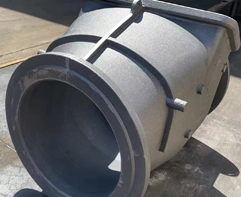
Gravity die casting (GDC) or permanent mould casting is a process wherein the liquid metal is poured into metallic moulds without application of any external pressure. The liquid metal enters the cavity by gravity.
Aluminum castings are lightweight yet strong, widely used across industries. Through processes like die, sand, and permanent mold casting, aluminum is shaped into diverse products. Thanks to its corrosion resistance, good thermal conductivity, and low cost, it’s ideal for automotive parts, aerospace components, and consumer electronics, enabling fuel efficiency and design innovation.

In aerospace and automotive industries, aluminum casting offers a winning combination of lightweight construction and durability. In aerospace, reducing component weight cuts fuel consumption, with aluminum castings used in aircraft frames and engine parts. In the automotive sector, these castings lower vehicle mass, improving fuel economy and performance. Their high strength-to-weight ratio, corrosion resistance, and formability enable long-term reliability, meeting industry-specific demands.
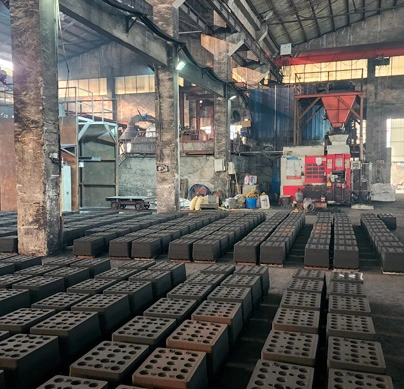
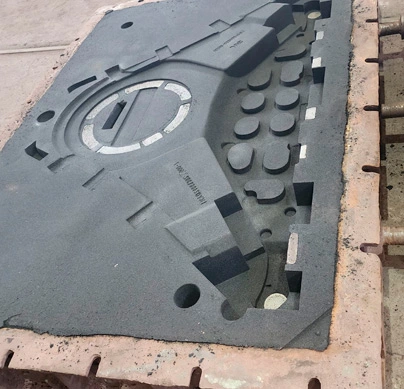
Sand casting and die casting are two main techniques in aluminum casting production, each with distinct features. Sand casting offers high flexibility, allowing the creation of complex shapes with low initial tooling costs. However, it has a relatively rough surface finish and lower production speed. Die casting, on the other hand, ensures consistent, smooth parts at high production rates. But it requires expensive tooling and is less suitable for complex designs.
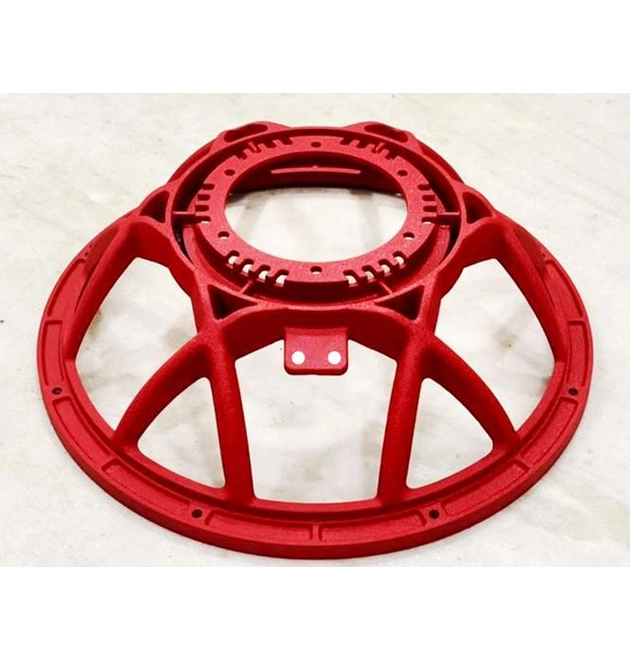
Preheat the Die and Coat the Mold Cavity
Pour Molten Metal Into the Cavity
Allow the Metal To Solidify
Open the Die and Remove the Part
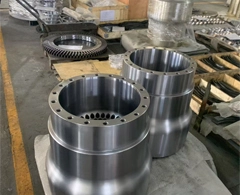
Machine the Part if Needed
Automotive Industry;
Marine Applications;
Lighting Industry;
Agriculture Industry;
Other Applications.
Please upload files like drawings, material specifications, quantities, and shipping destination.
 +86-18816569813
  EN
EN