Create a sustainable future


Balasen supplies custom pump and valve castings manufactured in China for industrial flow-control equipment. Available material families include carbon steel, low-alloy steel, stainless steel, duplex stainless steel and selected nickel alloys, subject to drawing and material review.
Casting process, material grade, heat treatment, machining and inspection requirements are evaluated according to component geometry, service medium, operating temperature, design conditions and the customer’s acceptance criteria. Customers can submit drawings, material specifications, quantities and inspection requirements for a technical review.
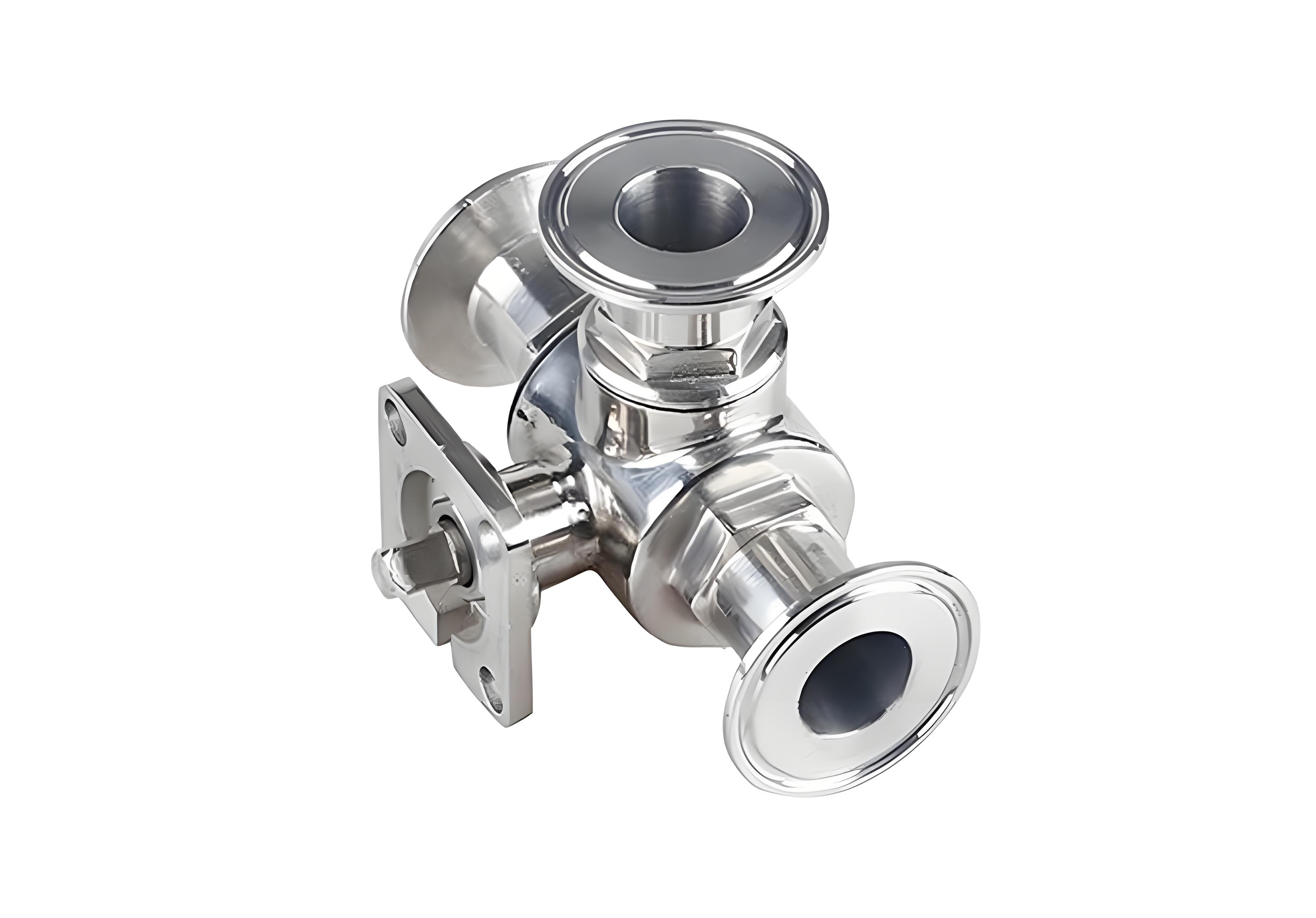
Precision pump and valve castings serve as the cornerstones of diverse industrial applications, delivering unmatched reliability in fluid management.
In the energy sector, they regulate oil and gas flows for safe, efficient extraction. In chemical plants, custom stainless steel casting options excel at controlling highly corrosive fluids, with accurate dimensions and robust construction minimizing leakage risks. By enduring extreme pressures and temperatures, these valve castings enhance equipment durability—especially when sourced through trusted carbon steel casting china providers like ours. As one of the leading valve casting manufacturers, we deliver premium quality components. Ultimately, they streamline production, cut downtime, and slash maintenance costs across sectors from manufacturing to water treatment.
Advanced pump and valve casting techniques dramatically boost fluid control efficiency across critical systems. Precision casting delivers components with exact fits, slashing friction and pressure drops in fluid transfer. Specialized materials, like corrosion-resistant alloys from a reliable custom metal casting company, sustain long-term integrity and prevent leaks. Innovative designs, such as self-adjusting valves, dynamically respond to varying flow rates. Together, these advancements curb energy loss, heighten system reliability, and trim maintenance needs—driving peak productivity in oil, gas, and water treatment operations. As a professional valve casting factory, we are committed to delivering superior quality solutions for global valve casting suppliers and industrial customers.
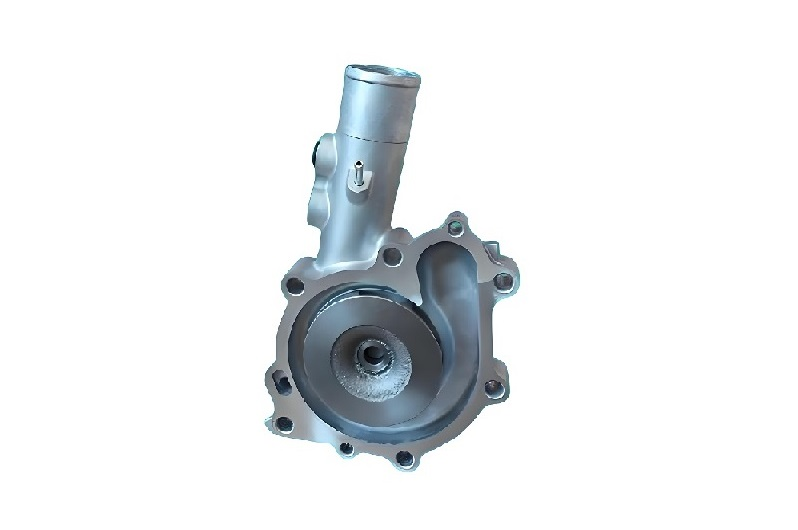
Balasen manufactures custom pump and valve castings according to customer drawings rather than supplying one fixed catalogue of standard parts. Component feasibility is evaluated according to material grade, pressure-boundary requirements, internal geometry, section thickness, machining allowances and inspection criteria.
Pump shells are supported by an existing Balasen project record. Other pump and valve component types listed below are available for drawing review and should only be presented as completed production examples after the corresponding project records and photographs have been verified.
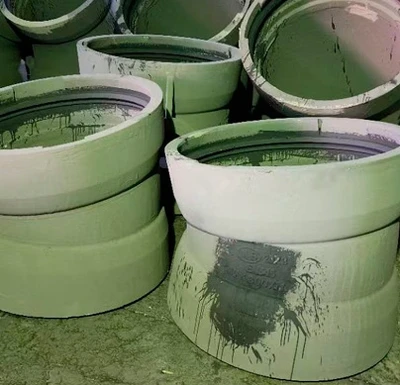
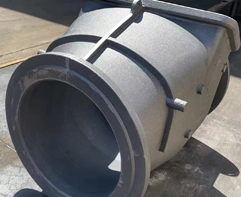
Balasen has published a ductile iron pump shell project for the pump industry. The project record describes pouring-system design, mold preparation, the use of chills during solidification and subsequent finishing and inspection operations.
| Part | Custom pump shell for an industrial pump application |
| Published Material | Ductile iron; the exact grade and chemical composition were not published |
| Casting Controls | Pouring and feeding-system planning, mold preparation and localized cooling control during solidification |
| Finishing Operations | Grinding, annealing, shot blasting and painting |
| Published Inspection | Nondestructive examination, dimensional inspection, paint inspection and final visual examination |
In addition to the documented pump shell project, Balasen can evaluate the following custom component categories. Material, casting process, machining route and inspection requirements are confirmed separately for each drawing.
| Component Type | Technical Features to Review | Material and Project Requirements |
|---|---|---|
| Pump Shells and Casings | Internal flow passages, wall-thickness transitions, flange faces, mounting surfaces, bearing locations and machining access. | Ductile iron is supported by an existing project record. Steel and corrosion-resistant alloy options require material and drawing review. |
| Valve Bodies | Pressure-boundary geometry, internal passages, flange or threaded connections, sealing areas, machining datum and nondestructive examination locations. | Carbon steel, alloy steel, stainless steel, duplex stainless steel or customer-specified material, subject to technical confirmation. |
| Valve Bonnets and Covers | Bolted joint surfaces, stem bores, wall thickness, flange alignment, sealing interfaces and dimensional relationships with the mating valve body. | Drawing revision, mating dimensions, material standard, service conditions and inspection requirements. |
| Valve Discs and Wedges | Sealing geometry, surface condition, hardness requirements, machining allowance, deformation control and compatibility with the specified valve design. | Final feasibility depends on material grade, heat treatment, dimensional tolerance and required sealing-surface condition. |
| Pump Impellers and Diffusers | Blade or passage geometry, section consistency, casting-process suitability, machining access and any dimensional or balance-related requirements. | These components require drawing-based process evaluation. Do not present them as completed Balasen projects without verified production records. |
| Bearing Housings and Mounting Covers | Bearing bores, coaxiality, mounting faces, bolt-hole positions, machining datum and dimensional relationships with assembled components. | Final capability must be confirmed from the drawing, material grade, tolerance requirements and production quantity. |
Material selection for pump and valve castings depends on the service medium, operating temperature, design conditions, corrosion requirements, required mechanical properties and applicable equipment specification. Balasen evaluates the material grade together with the casting process, heat treatment, machining and inspection requirements before production.
The standards and grades below represent material options that may be reviewed for custom pump and valve casting projects. Final availability, current standard revision, heat treatment, mechanical properties and supplementary requirements must be confirmed for each order.
| Material Family | Referenced Standards and Grades | Typical Selection Direction | Required Confirmation |
|---|---|---|---|
| Carbon Steel Castings | ASTM A216/A216M: WCB, WCC ASTM A352/A352M: LCB, LCC, LC2, LC3 EN 10213: 1.0619, 1.6220 | A216 grades are commonly specified for carbon steel pressure-containing parts intended for elevated-temperature service. A352 grades are intended primarily for low-temperature pressure-containing applications. | Service temperature, impact requirements, heat treatment and required mechanical properties. |
| High-Strength Steel Castings | ASTM A148/A148M: 90-60, 120-95 | High-strength structural casting applications subjected to elevated mechanical stress. ASTM A148 is not automatically a pressure-containing valve-body specification. | Component function, design code, heat treatment and purchaser acceptance. |
| Alloy Steel Castings | ASTM A217/A217M: WC5, WC6, WC9, C5, C12, C12A, CA15 ASTM A487/A487M: 4C, 4D, 9D EN 10213: 1.7357, 1.7379 | A217 grades may be considered for high-temperature or corrosive pressure-containing service. A487 covers heat-treated low-alloy and martensitic stainless steel castings suitable for pressure service. | Grade availability, section thickness, weldability, heat treatment and mechanical properties. |
| Austenitic Stainless Steel Castings | ASTM A351/A351M: CF3, CF8, CF3M, CF8M, CF8C, CF10M, CN7M, CG3M, CG8M, CN3MN, CK3MCuN EN 10213: 1.4308, 1.4408, 1.4581 | Austenitic stainless steel castings for pressure-containing parts where corrosion resistance, temperature capability or both are required. | Service medium, corrosion conditions, grade, heat treatment and supplementary testing. |
| Precipitation-Hardening Stainless Steel | ASTM A747/A747M: CB7Cu-1 | Corrosion-resistant, precipitation-hardening stainless steel castings requiring a combination of strength and corrosion performance. | Required heat-treatment condition, strength level and operating temperature. |
| Duplex Stainless Steel Castings | ASTM A995/A995M for pressure-containing parts: 1B/CD4MCuN, 4A/CD3MN, 5A/CE3MN, 6A/CD3MWCu ASTM A890/A890M for general applications: project-specific grade selection | Duplex stainless steel may be considered where the project requires a combination of mechanical strength and corrosion resistance. | Pressure-containing status, corrosion medium, heat treatment, ferrite requirements and mechanical properties. |
| Nickel and Nickel-Alloy Castings | ASTM A494/A494M: M35-1, CU5MCuC, CW6MC, CW12MW, CY40, N7M, N12MV, CW2M, CW6M, CX2MW | Nickel-alloy castings may be evaluated for project-specific corrosive service where conventional carbon or stainless steel is not suitable. | Exact ASTM grade, alloy composition, corrosion conditions, inspection requirements and production feasibility. |
Pump and valve castings frequently require machining of flange faces, sealing interfaces, stem bores, bearing locations, mounting surfaces, bolt holes and other assembly-critical features. Balasen evaluates the machining route according to the approved drawing, material hardness, casting condition, machining allowance and specified tolerances.
Published machining capabilities include turning, milling, drilling, tapping and boring. Balasen’s published processed-part range covers weights from 0.5 to 5,000 kg and processing dimensions from 3 to 1,600 mm. Final machinability must be confirmed from the component geometry and required machining position.
| Machining Capability | Typical Pump and Valve Features | Required Project Information |
|---|---|---|
| Turning | Circular flange faces, outside diameters, sealing interfaces, shaft locations and other rotational features. | Datum, diameter tolerance, runout, surface finish and machining allowance. |
| Milling | Mounting faces, bonnet interfaces, connection faces, bosses, keyways and assembly-critical flat surfaces. | Flatness, parallelism, perpendicularity, surface finish and reference datum. |
| Drilling and Tapping | Flange bolt holes, mounting holes, threaded connections, drain or vent locations and cover-assembly holes. | Hole diameter, thread specification, position tolerance, depth and bolt-circle requirements. |
| Boring | Stem bores, shaft bores, bearing seats, internal cylindrical locations and coaxial assembly features. | Bore tolerance, cylindricity, coaxiality, surface finish and inspection method. |
| Published Processing Range | Processed-part weight range: 0.5 to 5,000 kg. Processing size range: 3 to 1,600 mm. | Component envelope, material hardness, clamping position, machine access and required tolerances. |
| Dimensional Measurement | Critical-dimension or full-dimensional inspection can be performed. Published measuring equipment includes FARO measuring arms. | Approved drawing, datum system, inspection scope, report format and sampling quantity. |
Quality requirements for pump and valve castings are established before production according to the approved drawing, material standard, purchase specification and agreed inspection plan. The required controls vary depending on whether the component forms part of a pressure boundary, sealing system, rotating assembly or structural support.
Material compliance cannot be determined from chemical composition alone. Heat treatment, mechanical properties, dimensional results, surface condition and any specified nondestructive examination must be evaluated against the agreed acceptance criteria.
| Quality Stage | Control and Inspection | Project Confirmation |
|---|---|---|
| Technical Review | Drawing revision, material grade, service conditions, critical dimensions, inspection points and acceptance criteria are reviewed before production. | Customer drawing, material specification and purchase requirements. |
| Chemical Composition | Alloy composition testing can be performed against the confirmed material grade and specified composition limits. | Grade, standard revision, heat or product analysis requirements and reporting format. |
| Mechanical Properties | Mechanical property testing can be arranged. Required items may include tensile strength, yield strength, elongation, hardness or impact performance. | Test coupon, specimen location, test temperature and acceptance values. |
| Heat Treatment | Heat treatment is selected according to the specified material grade, casting section thickness and required mechanical properties. | Required heat-treatment condition, cycle requirements and record requirements. |
| Dimensional Inspection | Critical-dimension or full-dimensional inspection can be completed using suitable measuring equipment, including FARO measuring arms where appropriate. | Approved drawing, datum, tolerance, sampling plan and dimensional report requirements. |
| Nondestructive Examination | Balasen has published a pump-shell project that included nondestructive examination. The specific NDT method and acceptance level were not published and must be confirmed for each new project. | NDT method, applicable standard, examination area, severity level and acceptance criteria. |
| Surface and Coating | Visual examination, surface preparation and painting inspection may be included when specified. An existing Balasen pump-shell project records shot blasting, painting and final visual control. | Surface condition, coating system, color, thickness and inspection requirements. |
| Pressure and Leakage Testing | Hydrostatic, pneumatic or leakage testing is not automatically included with casting supply. Any required test must be reviewed and confirmed before quotation. | Finished condition, test medium, pressure, duration, leakage criteria and applicable test standard. |
| Quality Documentation | Material, mechanical, dimensional, NDT or coating records can be defined as part of the agreed documentation package. | Required document type, language, format, traceability and third-party review. |
 +86-18816569813
  EN
EN