Create a sustainable future
In modern heavy industry applications where extreme wear resistance is paramount, manganese steel casting stands as the preferred manufacturing solution. As a specialized foundry with extensive experience in wear-resistant components, Balasen employs advanced casting technologies to produce high-performance manganese steel parts that meet international quality standards. This article explores five crucial aspects of manganese steel casting technology and how they contribute to creating superior wear-resistant components.
The exceptional properties of manganese steel casting stem from its distinctive metallurgical composition. When containing 11-14% manganese, the material develops an austenitic structure that provides remarkable work-hardening characteristics. Unlike conventional steel alloys, manganese steel becomes harder and more resistant to wear when subjected to mechanical impact and abrasion. Balasen carefully controls the alloy composition during the melting process, ensuring each casting achieves the optimal balance between toughness and wear resistance demanded by heavy industrial applications.
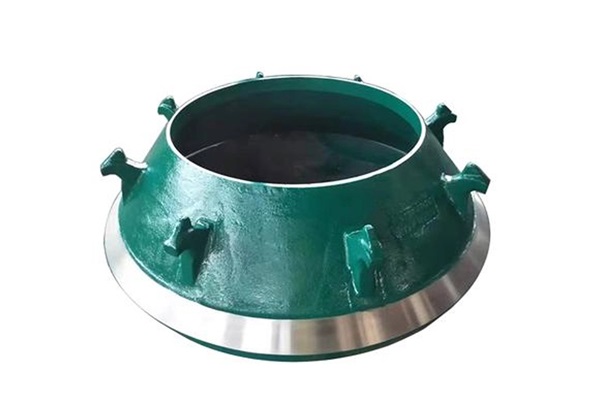
When selecting materials for crushing and grinding applications, engineers often consider manganese steel casting alongside high chromium iron alternatives. While both materials offer excellent wear resistance, they behave quite differently under service conditions. Manganese steel demonstrates superior impact absorption and develops a hardened surface layer during operation, making it ideal for components like crusher jaws and impact plates that endure repeated heavy blows. In contrast, high chromium iron maintains higher initial hardness but lacks the work-hardening capability and toughness of manganese steel. Balasen's technical team helps clients select the most suitable material based on specific application requirements, ensuring optimal performance and cost efficiency.
The quality of manganese steel casting begins with precise pattern development. At Balasen, our pattern-making process incorporates advanced CAD technologies to create accurate mold impressions for even the most complex geometries. Special attention is given to proper gating and riser design to ensure complete mold filling and minimize casting defects. These foundational steps are crucial for producing components with uniform wall thickness and excellent mechanical properties throughout the casting. Our expertise in pattern construction contributes significantly to the dimensional accuracy and performance consistency of our manganese steel castings.
The pouring and solidification stage represents a critical phase in manganese steel casting production. Balasen employs controlled pouring techniques to maintain ideal metal temperatures and prevent premature solidification during mold filling. After pouring, specialized cooling methods are applied to regulate the solidification rate, preventing internal stresses that could lead to cracking or distortion. Our foundry team closely monitors these processes to ensure the austenitic microstructure that gives manganese steel its unique properties develops properly in every casting.
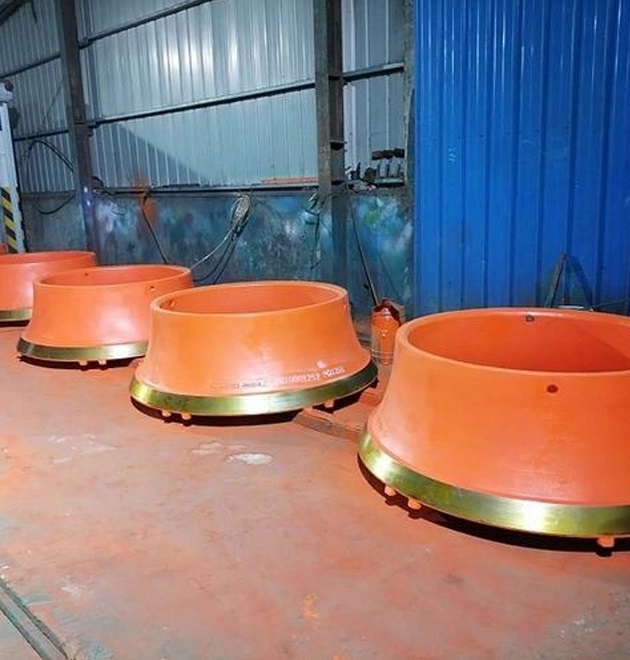
Proper heat treatment is essential to unlock the full potential of manganese steel casting components. Balasen utilizes solution annealing at high temperatures followed by rapid water quenching to achieve the optimal austenitic structure before parts enter service. This treatment eliminates carbide precipitation while maximizing the material's ability to work-harden under impact. Our precisely controlled heat treatment process ensures uniform properties throughout even large, complex castings, guaranteeing consistent performance in the most demanding applications.
Balasen's comprehensive approach to manganese steel casting technology results in wear components that deliver exceptional service life in mining, aggregate processing, and other heavy industries. By combining metallurgical expertise with precision casting techniques, we produce components that withstand extreme operating conditions while providing excellent value through reduced maintenance and replacement costs. Visit our manganese steel casting page to learn more about our capabilities and how we can meet your specific component needs.
 What Is Lost Foam Casting and How Does It Work?June 20, 2025In the world of metal casting, lost foam casting stands out as a versatile and innovative method, particularly for producing complex components used in industries like agricultural machinery casting. ...view
 What Are the Differences Between Resin Sand Casting and Green Sand Casting?June 20, 2025Choosing the right casting method is crucial for producing high-quality metal components, especially for industries like agriculture. Resin sand casting and green sand casting are two widely used tech...view
 What Are the Disadvantages of Lost Foam Casting?March 27, 2026Lost foam casting is widely recognized for its ability to produce complex shapes with high precision, but like any manufacturing method, it also has limitations. One of the main drawbacks is the relat...view
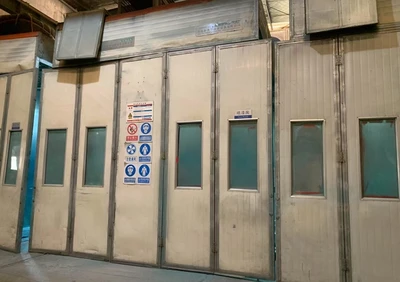 Balasen Painting CapabilityFebruary 27, 2025Balasen has adequate painting equipment and capability; we can do maximum three layers of coating per client requirement. it includes primer, intermediate and final coat. The nominal thickness is 320 ...view
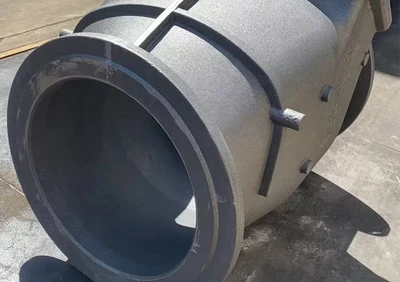 Pump Shell-Ductile IronFebruary 27, 2025This is a great ductile iron part named pump shell used for pump industry area.Balasen designed advanced pouring system to feed and float into the mold cavity.We have opened pouring system deployment,...viewThe Aluminum Shift: How China’s NEV Boom Is Transforming Auto ComponentsJune 20, 2025In China’s booming new energy vehicle (NEV) market, a pivotal transformation is reshaping automotive manufacturing: the widespread shift from cast iron to aluminum castings. As NEVs lead sales and gr...view
 +86-18816569813
  EN
EN