Create a sustainable future
Ductile iron is widely used in automotive, pipeline, and heavy machinery applications due to its high strength, excellent ductility, and cost-effectiveness. However, many users find that improper use or maintenance can lead to corrosion, wear, or fatigue fractures, increasing costs and reducing component lifespan. How can you effectively extend the service life of ductile iron components? This article provides practical advice from three perspectives: material selection, corrosion protection, and daily maintenance, and introduces Balasen’s professional solutions.
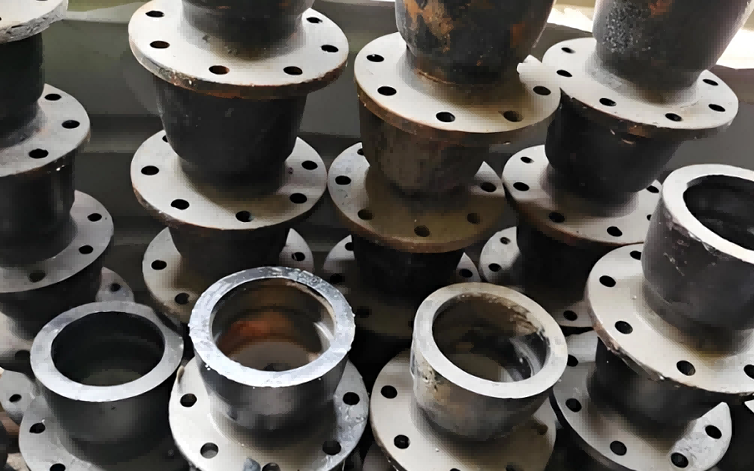
(1) Corrosion: The Threat of Moisture, Chemicals, and Electrochemical Reactions
Ductile iron is susceptible to electrochemical corrosion in humid environments, seawater, or acidic/alkaline media, especially around graphite nodules, which form localized galvanic cells and accelerate material degradation.
Case: A water pipeline in a coastal area of Guangdong initially used standard ductile iron and developed significant rust within 3 years. With Balasen’s anti-corrosion coated ductile iron, the service life increased to over 6 years.
(2) Fatigue Fracture: Hidden Risks under Cyclic Loads
Frequent load variations (e.g., in mining casting manufacturers' machinery or wind turbine components) can cause microcracks to propagate, eventually leading to fatigue failure.
(3) Mechanical Wear: Challenges in High-Friction Environments
Components such as gears and bearing seats are exposed to constant friction. Without proper surface strengthening, wear rates can increase significantly.
(4) Wrong use can also shorten the service life
(1) Material Optimization – Choose the Right Ductile Iron Grade
QT400-18 (high toughness, impact resistant): Suitable for low-temperature or vibration-prone environments.
QT500-7 (balanced strength and ductility): Suitable for general mechanical components.
QT600-3 (high strength, wear resistant): Ideal for high-load gears, crankshafts, and other critical parts.
Balasen Customization: Special alloyed ductile iron casting china options for extreme conditions, such as acid resistance or high temperature tolerance, you can contact us with whatsapp:+86-18816569813
(2) Corrosion Protection – Prevent the Source of Damage
Hot-Dip Galvanizing (HDG): Ideal for outdoor pipelines and construction components; the zinc layer provides cathodic protection. Epoxy Coating: Suitable for chemical equipment and water pipelines; resistant to acid and alkaline corrosion. Polyurethane Spraying: Designed for high-wear applications, such as mining machinery components.
Balasen Case: A sewage treatment of Shanxi adopted Balasen epoxy-coated ductile iron pump bodies, which operated for 5 years in pH 3–11 conditions without abnormalities.
(3) Heat Treatment – Enhance Intrinsic Properties
Annealing: Relieves casting stress and reduces deformation risk.
Quenching + Tempering: Increases surface hardness and wear resistance, ideal for gears and cams.
Avoid direct contact with copper or stainless steel to prevent galvanic corrosion.
Regularly inspect coatings and repair any damage promptly.
Use chemical corrosion inhibitors in acidic or alkaline environments for additional protection.
As an expert in ductile iron, Balasen offers:
Corrosion-resistant ductile iron with optimized alloy composition
Various surface treatments (HDG, spraying, nitriding, etc.)
Fatigue life simulation tests to optimize your component design
Get a free customized anti-corrosion solution
Contact our sales to select the best material and protection plan →sales@balasen.com
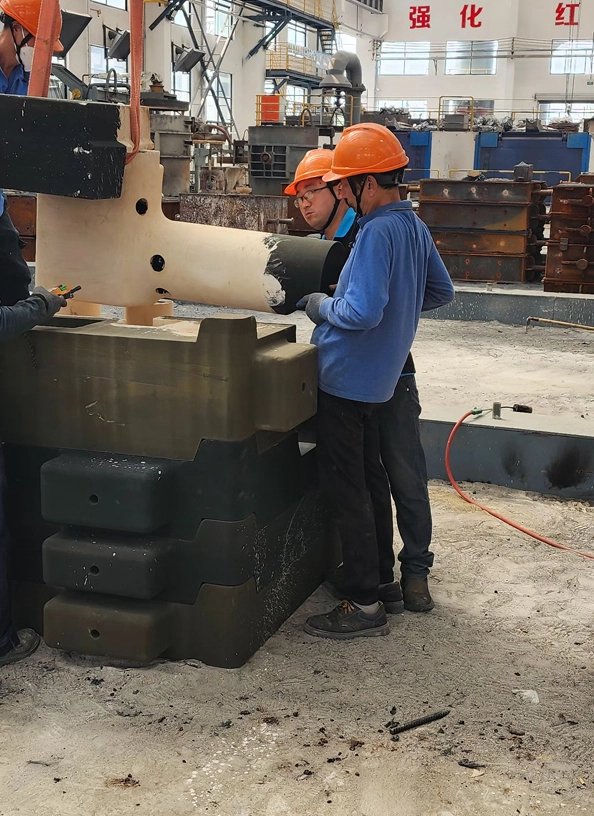
Extending the life of ductile iron components requires scientific material selection, precise protection, and proper maintenance. Whether in marine environments, chemical media, or high-wear applications, Balasen provides cost-effective, long-lasting solutions. Browse our copamy stories → See why over 500 global companies trust Balasen.
 The Evolution of Modern Casting: From Traditional Techniques to Smart FoundriesNovember 12, 2025In recent decades, the global metal casting industry has witnessed an impressive technological transformation. Once reliant on manual labor and experience-based intuition, foundries today are becoming...view
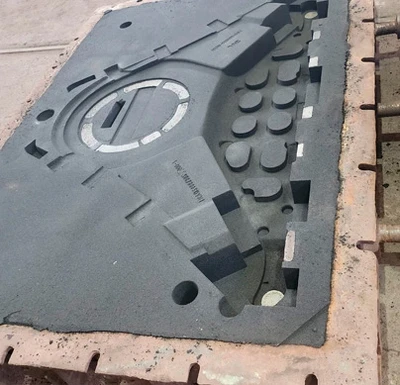 What Is Resin Sand Casting and How Does It Work?June 20, 2025When it comes to manufacturing durable metal components for industries like agriculture, resin sand casting is a go-to method for producing high-quality, intricate parts. Known for its strength and pr...view
 2A Great Steel Casting and Machining Part Used for Industrial AreaFebruary 27, 2025This is a special steel casting and machining part produced by balasen company recently.The material is 42CrMo4. This is to export to Europe customer.material quality.Then we make a full machining fo...viewWhat Are the Key Differences Between Traditional Sand Casting and Modern Resin-Based Casting Processes?November 12, 2025The key differences between traditional sand casting and modern resin-based casting processes lie in the molding materials, surface quality, dimensional accuracy, and environmental performance. Tradit...view
 Precision Manufacturing for High-Strength ComponentsAugust 5, 2025In the world of industrial manufacturing, precision and durability are essential for critical components. Close die forging stands out as a premier manufacturing process for creating high-performance ...view
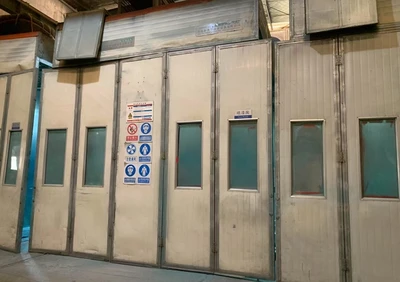 Balasen Painting CapabilityFebruary 27, 2025Balasen has adequate painting equipment and capability; we can do maximum three layers of coating per client requirement. it includes primer, intermediate and final coat. The nominal thickness is 320 ...view
 +86-18816569813
  EN
EN