Create a sustainable future
When it comes to high-quality sand casting solutions, furan resin sand casting stands out as a reliable and efficient method for producing precise metal components. As a professional casting and forging company, Balasen specializes in delivering top-tier furan resin sand casting services tailored to meet global industry standards. This guide explores the fundamentals of furan resin sand casting, its key advantages compared to phenolic resin, process optimization tips, and why it's a preferred choice for manufacturers.
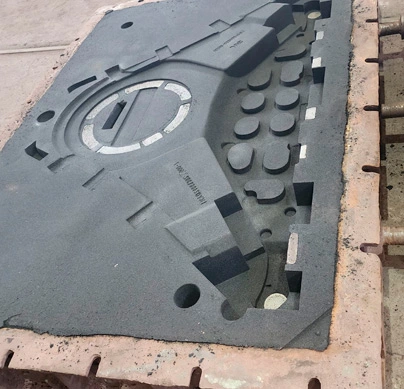
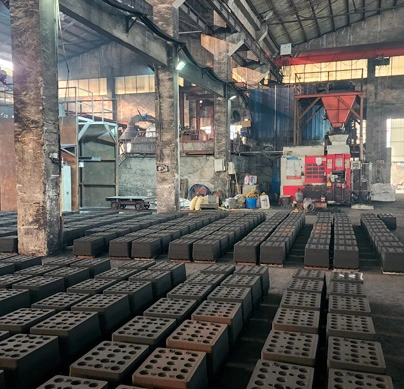
Furan resin sand casting is a specialized metal casting process that uses furan resin as a binder for sand molds. This thermosetting resin offers excellent mechanical strength, thermal stability, and dimensional accuracy, making it ideal for producing complex castings in iron, steel, and non-ferrous alloys. The process involves mixing sand with furan resin and a curing agent to form a sturdy mold, which is then filled with molten metal. Once cooled, the mold breaks away cleanly, leaving a high-quality casting with smooth surface finishes and minimal defects. As a global supplier, Balasen employs strict quality control measures to ensure every furan resin sand casting meets EN, ISO, and client-specific requirements.
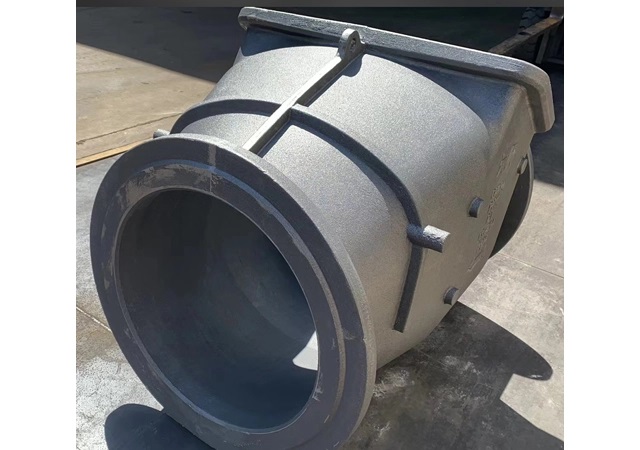
Understanding the differences between furan resin and phenolic resin is crucial for selecting the right casting method. Below is a detailed comparison:
Feature | Furan Resin Sand Casting | Phenolic Resin Sand Casting |
Curing Speed | Faster curing time, improving production efficiency | Slower curing, requiring longer wait times |
Surface Finish | Superior, with minimal surface defects | May require additional finishing work |
Thermal Stability | Excellent resistance to high temperatures | Moderate heat resistance |
Emissions | Lower harmful gas emissions compared to phenolic | Higher formaldehyde emissions |
Furan resin is often preferred for its balance of performance, cost-effectiveness, and environmental benefits, especially in industries demanding high precision and durability.
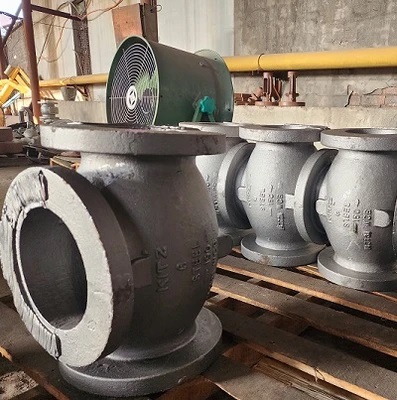
One of the main reasons manufacturers choose furan resin sand casting is its ability to produce defect-free castings with consistent results. The resin's strong binding properties enhance mold strength, reducing the risk of sand inclusions or gas porosity. Unlike traditional green sand casting, furan resin molds offer better dimensional accuracy, ensuring tight tolerances for complex geometries. Additionally, this process minimizes veining and metal penetration, resulting in smoother cast surfaces that require less post-processing. Another significant advantage is faster production cycles—since furan resin cures quickly, manufacturers can achieve higher output without compromising quality. At Balasen, we prioritize process optimization to maximize these benefits for automotive, marine, and industrial clients worldwide.

To ensure the best results from furan resin sand casting, several key factors must be considered. First, the sand-to-resin ratio must be precisely controlled—too little resin can weaken the mold, while excess resin increases costs unnecessarily. Proper mixing and uniform distribution of the curing agent are also critical to achieving consistent mold strength. Temperature and humidity control in the working environment can significantly affect curing speed and final casting quality. Preheating molds before pouring molten metal helps reduce thermal shock, minimizing cracks and other defects. Finally, post-casting inspections, including X-ray and ultrasonic testing, verify internal soundness. Balasen's expertise in quality-first manufacturing and fast response to customer needs ensures optimized production efficiency for every project.
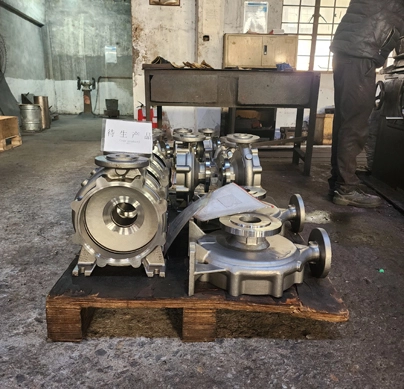
Furan resin sand casting remains a superior choice for manufacturers seeking high precision, cost-efficiency, and durability in metal castings. As a trusted supplier with extensive experience in global standards (EN, ISO), Balasen provides customized furan resin sand casting solutions with fast turnaround times and strict adherence to client specifications. Whether for automotive, machinery, or marine applications, our commitment to customer orientation, quality priority, and rapid execution ensures reliable, defect-free castings every time. To learn more about our capabilities, visit Balasen's official website and explore how we can support your next project with high-performance casting solutions.

 Manganese Steel Casting: The Ultimate Wear-Resistant Solution By BalasenAugust 5, 2025In heavy industries where extreme wear and impact resistance are critical, manganese steel casting has become the material of choice for durable components. As a professional manufacturer with extensi...view
 The Advantages of Investment casting that distinguish from other casting processJune 20, 2025The core advantages of investment casting (lost-wax casting) that distinguish it from other casting processes such as sand casting, shell molding, and die casting lie in high precision, complex formin...view
 Is Lost Foam Casting Better Than Sand Casting for Agricultural Machinery?June 20, 2025When manufacturing components for agricultural machinery casting, choosing the right casting method is critical for balancing cost, quality, and performance. Lost foam casting and custom sand castings...viewHow to Choose a Casting Process for Pump and Valve BodiesAugust 24, 2026Selecting a casting process for pump and valve bodies is not simply a choice between the lowest tooling price and the smoothest surface. These components often contain flanges, sealing faces, internal...view
 Grey Iron for Casting: Properties and UsesNovember 27, 2025Gray iron is a widely used material in the metal casting industry, renowned for its excellent castability, machinability, and cost-effectiveness. As an essential part of custom metal casting and gray ...view
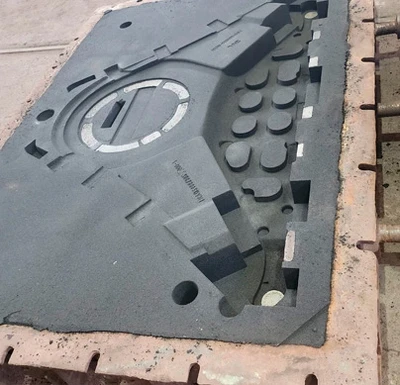 What Is Resin Sand Casting and How Does It Work?June 20, 2025When it comes to manufacturing durable metal components for industries like agriculture, resin sand casting is a go-to method for producing high-quality, intricate parts. Known for its strength and pr...view
 +86-18816569813
  EN
EN