Create a sustainable future

Ductile iron, known for its excellent strength and ductility, is a variant of graphite cast iron typically used in engineering applications requiring a high tensile strength. The process of manufacturing ductile iron involves several stages, each critical to achieving the desired properties and performance. This article explores each stage of the production process, focusing on raw materials, alloying steps, casting techniques, and heat treatment, along with quality control measures to ensure the material meets stringent industry standards. Whether you're interested in the investment casting services or looking at ductile iron material for industrial purposes, understanding the manufacturing process can offer valuable insights into obtaining the highest quality outcomes.
The first step in the ductile iron manufacturing process is the careful selection of raw materials. The primary ingredient for producing ductile iron is iron itself, which is often derived from recycled ferrous products. These products are melted in a ductile iron foundry using various methods to produce the base metal. The following table highlights typical raw materials and their properties:
Raw Material | Source | Properties |
Pig Iron | Blast Furnace | High Carbon, High Silicon |
Steel Scrap | Recycled Steel | Ferroalloys, Low Impurities |
Graphite | Natural, Synthetic | Increases Nodularity, Ductility |
Ferro Silicon | Smelting | Aids In Nodulization |
In addition to these materials, small amounts of copper for casting, magnesium, and other alloys are added to fine-tune the properties. The balance of these elements is crucial in obtaining the desired ductile iron casting properties.
The alloying steps in ductile iron production involve modifying the base metal composition with specific additives to achieve enhanced mechanical properties. This stage is critical for ensuring the desired strength, elasticity, and corrosion resistance of the final product.
The following procedures are typically followed in the alloying process:
Melting in induction furnaces: This process achieves a uniform temperature and composition, critical for consistency across castings.
Addition of nodulizing agents: Materials such as magnesium or rare earth metals are introduced to convert flake graphite into spherical nodules, significantly impacting the ductility and toughness of the iron.
Balancing these elements requires precision and expertise, often managed through advanced CNC solutions and metallurgical software to ensure consistency and quality in production.
The casting techniques utilized in ductile iron production significantly impact the quality and performance of the final product. Various methods are adopted based on the desired product specifications, demand, and economic considerations.
Common casting processes include:
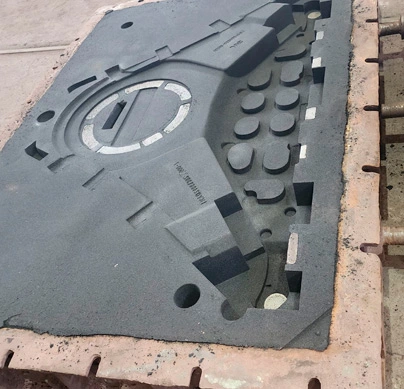
Sand Casting: Often used for crafting complex shapes with a smooth surface finish. This involves creating a mould from resin sand or green sand mold casting and pouring the molten metal into it.
Shell Mold Casting Process: Offers improved dimensional accuracy and smoother surface finishes compared to other processes. Utilizes heated molds made from a mixture of sand and thermosetting resins.
Each technique requires careful control of temperature and pouring speed to avoid defects like porosity or inclusions. Advanced CNC machining and precision CNC milling tools aid in refining these processes, increasing accuracy, and reducing waste.
Heat treatment processes are fundamental to enhancing the mechanical properties of ductile iron, giving it the desired balance of strength and ductility. These processes involve heating the cast material to specific temperatures and then cooling it at controlled rates.
Heat treatment stages commonly include:
Annealing: Softens the material, improving its ductility and reducing hardness.
Quenching and Tempering: Increases strength and toughness by rapidly cooling (quenching) the iron and then reheating to a lower temperature (tempering).
The use of sophisticated heat treatment regimes is critical in the automotive and aerospace industries where components must withstand high stress and temperature variations. CNC solutions and controlled heating environments ensure precise temperature management, avoiding material distortion and structural changes.
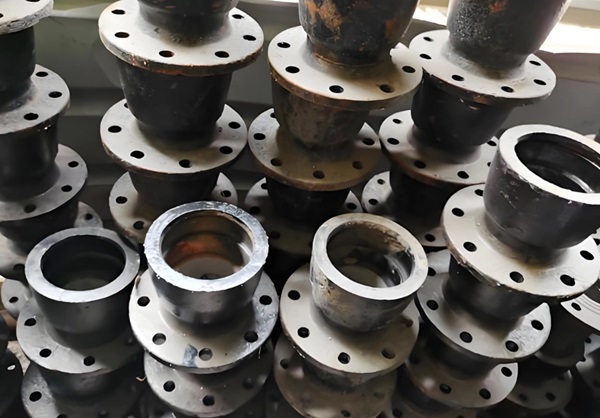
Quality control in the ductile iron production process is vital to adhere to stringent standards and ensure product reliability. This involves systematic testing and inspection throughout the production process.
Key quality control measures include:
Visual Inspection: Early detection of surface anomalies such as cracks or excessive roughness.
Non-Destructive Testing (NDT): Techniques like ultrasound or radiography to detect internal flaws without damaging the component.
Mechanical Testing: Measures tensile strength, ductility, and impact resistance. CNC machining tools help in creating precise samples for testing, reducing variance in results.
Integrating quality control into the production line can significantly reduce CNC machining costs and overall waste by ensuring that only flawless products reach the customer.
Manufacturers offering custom metal casting services often employ rigorous quality assurance protocols to tailor products to specific industry standards, optimizing performance and longevity.
Understanding the manufacturing process of ductile iron offers valuable insights into its adaptability and reliability in various industrial settings. From the initial selection of raw materials through sophisticated casting techniques and meticulous quality control, every stage is crucial in delivering the high-performance characteristics associated with ductile iron.
The intricate balance of alloying steps and heat treatment methodologies further enhances its appeal, offering manufacturers the versatility needed to tailor products to unique specifications. Whether you're considering automotive castings or other demanding applications, the knowledge captured in this guide underscores the pivotal role of precision and expertise in the evolving landscape of ductile iron production.
References:
 Is Lost Foam Casting Better Than Sand Casting for Agricultural Machinery?June 20, 2025When manufacturing components for agricultural machinery casting, choosing the right casting method is critical for balancing cost, quality, and performance. Lost foam casting and custom sand castings...view
 Applications of Ductile Iron in EngineeringNovember 27, 2025Ductile iron, also known as nodular iron or spheroidal graphite iron, has emerged as a key material in the field of engineering, owing to its remarkable mechanical properties. Unlike gray iron, which ...view
 Gray Iron vs. Ductile Iron Castings: Properties, Machinability, Cost and ApplicationsAugust 24, 2026Gray iron and ductile iron are both iron-carbon casting materials, but they do not behave the same way in service. The key difference is the shape of the graphite inside the metal. Gray iron contains ...view
 Grey Iron for Casting: Properties and UsesNovember 27, 2025Gray iron is a widely used material in the metal casting industry, renowned for its excellent castability, machinability, and cost-effectiveness. As an essential part of custom metal casting and gray ...view
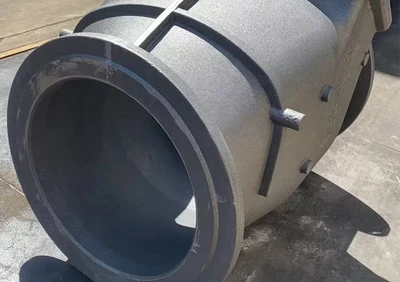 Pump Shell-Ductile IronFebruary 27, 2025This is a great ductile iron part named pump shell used for pump industry area.Balasen designed advanced pouring system to feed and float into the mold cavity.We have opened pouring system deployment,...view
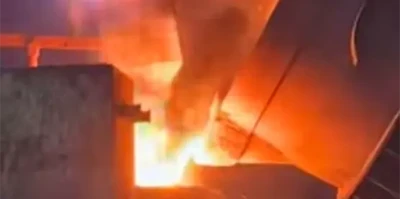 The Evolution of Modern Casting: From Traditional Techniques to Smart FoundriesNovember 12, 2025In recent decades, the global metal casting industry has witnessed an impressive technological transformation. Once reliant on manual labor and experience-based intuition, foundries today are becoming...view
 +86-18816569813
  EN
EN