Create a sustainable future


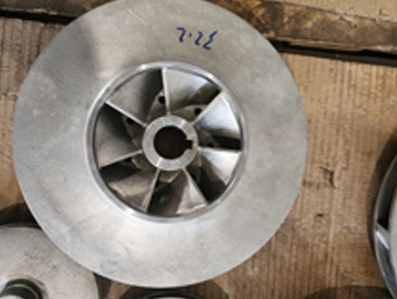
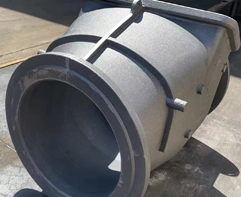
As an alloy steel casting foundry in China, Balasen supplies custom cast components for mining equipment, power generation, construction machinery, valves and other heavy-duty applications. Material grade, casting process, heat treatment, machining and inspection requirements are selected according to the customer’s drawing, service conditions and applicable material standard.
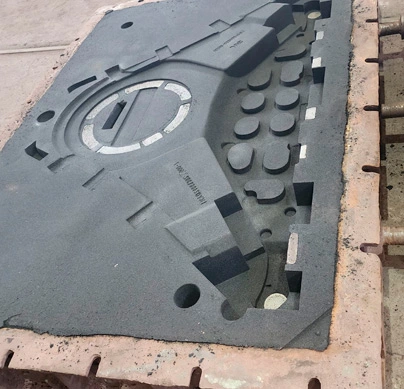
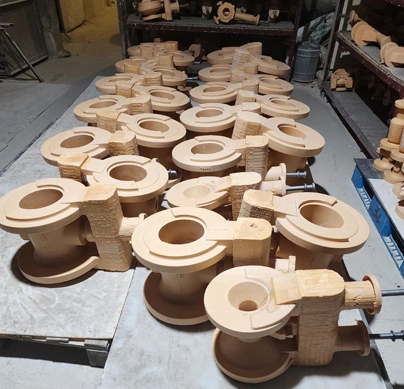
For medium and large cast-steel components, Balasen’s published furan resin sand casting capacity covers individual casting weights from 200 to 10,000 kg. Shell molding and investment casting can also be evaluated for smaller or more complex components. CNC turning, milling, drilling, tapping and boring are available when finished machining is required.
Alloy steel castings play a pivotal role in high-strength engineering applications. Alloy steel casting China offers a unique blend of alloying elements that significantly boosts mechanical properties. In construction machinery, they endure heavy loads and abrasive conditions, powering equipment like bulldozers. In some cases, furan resin sand casting is employed to achieve high dimensional accuracy and superior surface finish for these demanding components.
In the oil and gas industry, they resist high pressures and corrosive substances. Certain applications also benefit from lost foam casting, which allows the production of complex shapes with minimal machining. Their ability to maintain integrity under extreme stress makes them indispensable for ensuring project safety and long-term operational efficiency. These advantages have made custom sand castings an essential solution for manufacturers seeking both performance and reliability.
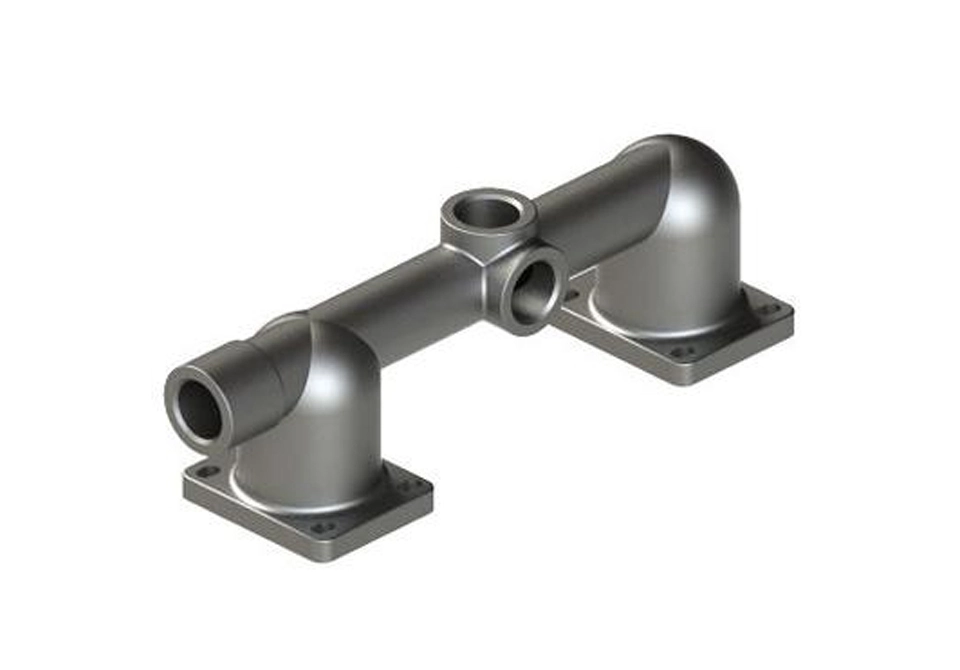
Alloy steel casting significantly improves wear resistance in industrial equipment. By incorporating elements like chromium, vanadium, and tungsten, it forms carbide compounds that harden the steel’s structure. This creates a highly durable surface that resists abrasion, erosion, and fatigue. In mining crushers and conveyor systems, alloy steel castings reduce wear - and - tear, extending equipment lifespan. This not only cuts maintenance costs but also enhances overall productivity by minimizing unplanned downtime.
Grade | C (%) | Si (%) | Mn (%) | Cr (%) | Mo (%) | P ≤ (%) | S ≤ (%) | Ni (%) |
42CrMo | 0.38-0.45 | 0.17-0.37 | 0.50-0.80 | 0.90-1.20 | 0.15-0.25 | – | – | – |
35CrMo | 0.32-0.40 | 0.17-0.37 | 0.40-0.70 | 0.80-1.10 | 0.15-0.25 | – | – | – |
40CrNiMo | 0.37-0.44 | 0.17-0.37 | 0.50-0.80 | 0.60-0.90 | 0.15-0.25 | – | – | 1.25-1.65 |
4130 | 0.28-0.33 | 0.15-0.35 | 0.40-0.60 | 0.80-1.10 | 0.15-0.25 | 0.035 | 0.04 | – |
4140 | 0.38-0.43 | 0.15-0.35 | 0.75-1.00 | 0.80-1.10 | 0.15-0.25 | 0.035 | 0.04 | – |
8630 | 0.28-0.33 | 0.15-0.35 | 0.70-0.90 | 0.40-0.60 | 0.15-0.25 | 0.035 | 0.04 | 0.40-0.70 |
As an alloy steel casting foundry in China, Balasen manufactures custom cast components according to confirmed drawings, material specifications and project-specific technical requirements. Casting process, alloy grade, heat treatment, machining and inspection requirements are evaluated according to component geometry, section thickness, operating conditions and required mechanical properties.
The published ranges below apply only to the corresponding manufacturing process. Final feasibility, casting weight, tolerances, delivery time and acceptance criteria must be confirmed after Balasen reviews the customer’s drawing and technical specification.
| Capability | Balasen’s Available Options | Project Confirmation |
|---|---|---|
| Production Type | Custom alloy steel castings manufactured according to confirmed customer drawings, material specifications and purchase requirements. | Drawing, material grade, annual quantity, operating conditions and acceptance criteria. |
| Material Options | Customer-specified alloy steel and low-alloy steel compositions can be evaluated. Grades covered by ASTM A217/A217M may be considered when the project requires alloy steel castings for applicable pressure-containing service. | Exact grade, chemical composition, mechanical properties, heat treatment and supplementary requirements. |
| Primary Casting Process | Furan resin sand casting is available for medium and large cast-steel components requiring custom geometry and relatively low-to-medium production volumes. | Component geometry, section thickness, casting weight, production quantity and quality requirements. |
| Furan Cast-Steel Weight Range | Balasen’s published furan resin sand casting capacity for cast-steel components ranges from 200 kg to 10,000 kg per casting. | The maximum feasible weight depends on geometry, lifting requirements, mold design and alloy grade. |
| Alternative Casting Processes | Shell molding and medium-temperature wax investment casting can be evaluated for smaller or more complex alloy steel components. | Process selection is based on component size, geometry, tolerance, surface requirements and order quantity. |
| Published Blank Lead Time | The published lead time for furan resin sand cast-steel blanks is generally 30 to 45 days. | Final delivery depends on tooling, quantity, heat treatment, machining, inspection and approval requirements. |
| Machining Services | Available custom machining services include turning, milling, drilling, tapping and boring. | Machining datum, tolerances, surface finish, machining allowance and critical dimensions. |
| Published Machining Range | Published processed-part weight range: 0.5 to 5,000 kg. Published processing size range: 3 to 1,600 mm. | Actual machinability depends on part geometry, machine access, material hardness and required tolerances. |
| Heat Treatment | Heat treatment is selected according to the specified alloy grade, section thickness and required mechanical properties. | The final heat-treatment route and acceptance values must be confirmed before production. |
| Inspection Capability | Available quality verification includes alloy composition testing, mechanical property testing and full-dimensional inspection. Balasen’s published equipment also includes FARO measuring arms. | Inspection method, sampling plan, reporting format and any required nondestructive testing must be agreed for each order. |
The alloy steel casting process is selected according to component size, geometry, section thickness, alloy grade, production quantity and required surface or dimensional condition. Before production, Balasen reviews the customer’s drawing, material specification, operating conditions and acceptance requirements to determine a suitable manufacturing route.
The following workflow describes the typical control stages for custom alloy steel castings. Final operations, inspection points and acceptance values are confirmed for each project rather than applied as universal requirements.
Furan resin sand casting is the primary option evaluated for medium and large alloy steel castings. Balasen’s published furan cast-steel capacity covers individual casting weights from 200 kg to 10,000 kg. Final suitability depends on geometry, wall thickness, alloy grade and inspection requirements.
Shell molding can be evaluated for smaller repeat-production components requiring consistent mold conditions and more controlled surface or dimensional results than conventional large sand castings. Component size, tooling cost and production quantity must be reviewed before selection.
Medium-temperature wax investment casting can be considered for relatively small alloy steel parts with complex shapes, detailed features or reduced machining requirements. The available material grade, maximum size and achievable tolerance must be confirmed from the drawing.
01. Drawing and Technical Review: The component drawing, material grade, service conditions, quantity, critical dimensions and inspection requirements are reviewed before quotation and production planning.
02. Process and Tooling Planning: A suitable casting process, molding method, machining allowance and inspection route are selected according to the confirmed technical requirements.
03. Pattern and Mold Preparation: Patterns, cores and molds are prepared for the selected process. Critical sections, core locations and machining surfaces are checked against the approved drawing.
04. Melting and Pouring: Alloy composition is controlled according to the confirmed material specification. Melting and pouring requirements are adjusted for the selected grade, casting geometry and section thickness.
05. Shakeout, Cleaning and Initial Examination: After controlled cooling, the casting is removed from the mold and cleaned. Gates, risers and remaining molding material are removed before preliminary visual and dimensional examination.
06. Heat Treatment: The heat-treatment route is selected according to the alloy grade, section thickness, required mechanical properties and applicable material standard.
07. Machining: Where required, machining operations may include turning, milling, drilling, tapping and boring. Machining datum, allowances, tolerances and critical features are confirmed from the customer’s drawing.
08. Final Inspection and Release: Required composition, mechanical property and dimensional results are checked against the agreed specification before the castings are released for shipment.
Alloy content alone does not determine the final performance of an alloy steel casting. Material grade, casting section thickness, solidification condition and heat treatment must be considered together when defining the required strength, hardness, toughness and service performance.
Normalizing, tempering, quenching or combined heat-treatment routes may be evaluated when required by the drawing or material specification. The final procedure and acceptance values are confirmed before production. Balasen does not apply one universal heat-treatment cycle to every alloy steel grade.
When ASTM A217/A217M is specified, the applicable grade, heat treatment, chemical composition and mechanical requirements are reviewed according to the current project specification. Reference to the standard does not mean that every casting automatically complies with every grade or supplementary requirement.
Inspection requirements are established before production according to the drawing, material specification, purchase order and agreed inspection plan. The required tests may vary by alloy grade, component function and service risk.
| Control Item | Available Quality Verification | Confirmation Basis |
|---|---|---|
| Material Verification | Alloy composition testing can be performed to verify the casting against the confirmed material specification. | Specified grade and agreed chemical composition limits. |
| Mechanical Properties | Mechanical property testing can be arranged according to the required material grade. Test items may include tensile strength, yield strength, elongation, hardness or impact performance when specified. | Material standard, test location, specimen requirements and acceptance values. |
| Dimensional Inspection | Full-dimensional or critical-dimension inspection can be performed. Balasen’s published measuring equipment includes FARO measuring arms for suitable components. | Approved drawing, datum system, tolerance requirements and inspection scope. |
| Visual Examination | Casting surfaces can be visually examined after cleaning for visible conditions such as adhering sand, scale, cracks, hot tears or incomplete finishing. | Agreed visual acceptance standard and surface condition. |
| Nondestructive Testing | Ultrasonic, magnetic particle, liquid penetrant or radiographic testing may be evaluated when required. Available methods and test locations must be confirmed before quotation. | NDT method, applicable standard, examination area, severity level and acceptance criteria. |
| Inspection Records | Required material, mechanical, dimensional or nondestructive examination records can be defined as part of the project documentation package. | Required report type, language, format and third-party inspection requirements. |
Please upload files like drawings, material specifications, quantities, and shipping destination.
 +86-18816569813
  EN
EN