Create a sustainable future

The art of lost wax investment casting stands as a cornerstone in the production of intricate metal components. Central to this process is the creation of molds that can precisely capture the fine details of the wax model. In the realm of metal casting service, the selection of appropriate mold materials is critical not only for the quality of the casting but also its economic viability. This article aims to dissect the various aspects that influence mold material choices in lost wax casting, including common mold types, necessary material properties, preparation techniques, durability considerations, and viable alternatives. Whether you're an enthusiast delving deeper into the craft or a professional seeking enhanced investment casting services, understanding these elements will illuminate the path to optimized casting outcomes.
In lost wax casting, molds are typically categorized into several primary types, each serving distinct roles based on the intricacies of the project requirements. The key mold types include ceramic molds, rubber molds, and plaster molds.
Type | Advantages | Applications |
Ceramic | High temperature resistance, detailed finish | Industrial components, agriculture equipment castings |
Rubber | Flexibility, easy removal | Prototyping, cnc machining parts |
Plaster | Cost-effective, good surface finish | Decorative items, aluminum casting products |
Each mold type offers distinct benefits relevant to different sectors, particularly when precision in cnc machining is needed. Selecting the right type is vital for achieving the desired outcome in custom metal casting applications.
The effectiveness of a mold in lost wax casting is heavily influenced by its properties. These properties ensure that the mold can withstand the casting process and produce components of high fidelity. Here are some key properties to consider:
High Temperature Resistance: Essential for withstanding the molten state of metals such as copper casting and gray iron casting.
Thermal Expansion: Materials like ceramic and certain types of silicone must compensate for metal shrinkage after solidification.
Strength and Durability: Particularly important for ductile iron foundry operations where robust mold integrity is necessary.
Flexibility: Particularly in molds used for brass casting, to facilitate easy demolding without damaging fine details.
Efficient mold materials merge these properties to complement the precise needs of foam for lost foam casting and other advanced processes.
The preparation techniques for mold materials significantly impact the quality of the lost wax casting process. Proper techniques ensure minimal defects and optimal strength, aligning with steel investment casting practices. Common preparation techniques include:
Mixing and Pouring: Integral for ensuring uniform consistency and avoiding air pockets that might compromise the mold integrity during power casting.
Baking/Drying: Especially for ceramic molds, to harden the mold and enhance resistance before receiving materials like ductile iron material.
Surface Treatment: Techniques such as adding refractory coatings safeguard molds across multiple cycles, a practice aligned with mining casting needs.
Adhering to these preparation techniques helps in maintaining the molds' effectiveness, ensuring quality and durability in end products.
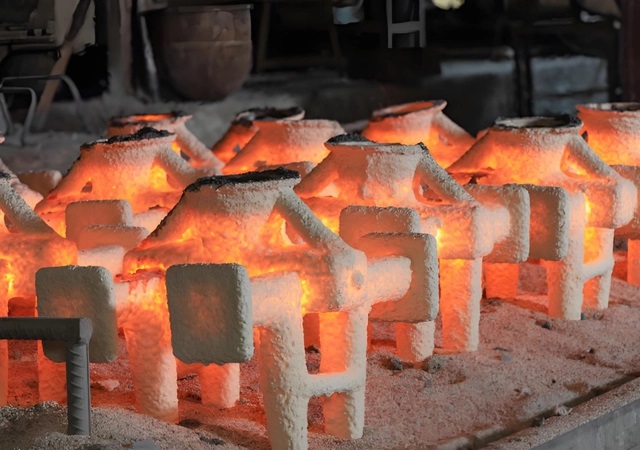
The longevity and robustness of molds are critical in investment casting services, determining the cost-effectiveness and efficiency of the process. Various factors influence mold durability:
Material Composition: Elemental strength, including silicon carbide in shell casting molds, offers enhanced life spans.
Curing Techniques: Proper curing fortifies mold materials, reflecting practices in open die forging and auto diecasting.
Maintenance: Routine inspection and maintenance extend mold life, crucial for competitive cnc machining price.
Implementing advanced durability measures ensures that molds maintain their performance across numerous casting cycles, an advantage for both standardized and custom metal casting operations.
Innovations in casting technologies pave the way for alternative mold materials and processes, enriching traditional lost wax casting practices. Potential alternatives include:
3D Printed Molds: These enable complex geometries not feasible with traditional methods, enhancing cnc solutions and precision cnc milling flexibility.
Composite Materials: A mixture of plastics and metals offers a unique blend suitable for specific ductile iron casting needs.
Recyclable Materials: Environmentally-friendly options prioritize sustainability without compromising on performance, offering a modern edge in metal production.
Exploring these alternatives supports a shift toward more sustainable and technologically advanced production methods in future casting endeavors.
The intricate world of lost wax investment casting requires an informed approach to mold material selection. Understanding the various mold types, the required properties, preparation methods, durability concerns, and novel alternatives can significantly impact casting success. This knowledge empowers professionals and enthusiasts alike to innovate their processes, enhance the quality, and optimize the use of resources. Technological advancements, particularly in cnc machining and aluminum metal casting, continue to mold the future of the casting industry, inviting ever greater precision and efficiency. As the industry evolves, staying abreast of these developments remains crucial for anyone seeking to harness the full potential of lost wax casting and its varied applications.
 Grey Iron for Casting: Properties and UsesNovember 27, 2025Gray iron is a widely used material in the metal casting industry, renowned for its excellent castability, machinability, and cost-effectiveness. As an essential part of custom metal casting and gray ...view
 Applications of Ductile Iron in EngineeringNovember 27, 2025Ductile iron, also known as nodular iron or spheroidal graphite iron, has emerged as a key material in the field of engineering, owing to its remarkable mechanical properties. Unlike gray iron, which ...view
 What Are the Disadvantages of Lost Foam Casting?March 27, 2026Lost foam casting is widely recognized for its ability to produce complex shapes with high precision, but like any manufacturing method, it also has limitations. One of the main drawbacks is the relat...viewWhat Materials Can Be Used in Lost Foam Casting?March 27, 2026Lost foam casting is valued in modern manufacturing for its flexibility in handling a wide range of ferrous and non-ferrous alloys. This versatility allows engineers to select materials based on mecha...viewThe Aluminum Shift: How China’s NEV Boom Is Transforming Auto ComponentsJune 20, 2025In China’s booming new energy vehicle (NEV) market, a pivotal transformation is reshaping automotive manufacturing: the widespread shift from cast iron to aluminum castings. As NEVs lead sales and gr...view
 Ductile Iron Corrosion Protection: Tips to Prolong Component LifeJune 20, 2025Ductile iron is widely used in automotive, pipeline, and heavy machinery applications due to its high strength, excellent ductility, and cost-effectiveness. However, many users find that improper use ...view
 +86-18816569813
  EN
EN