Create a sustainable future

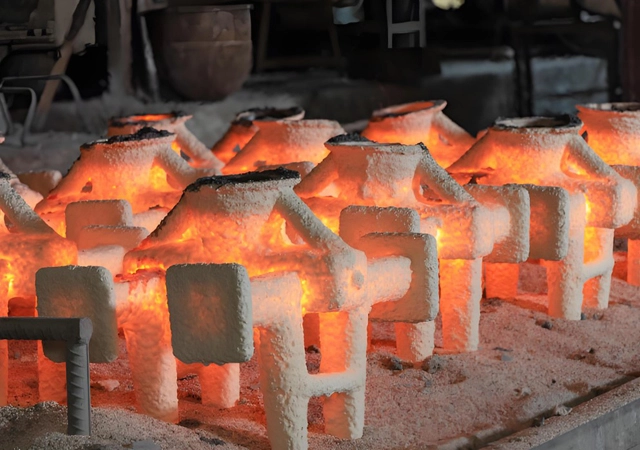
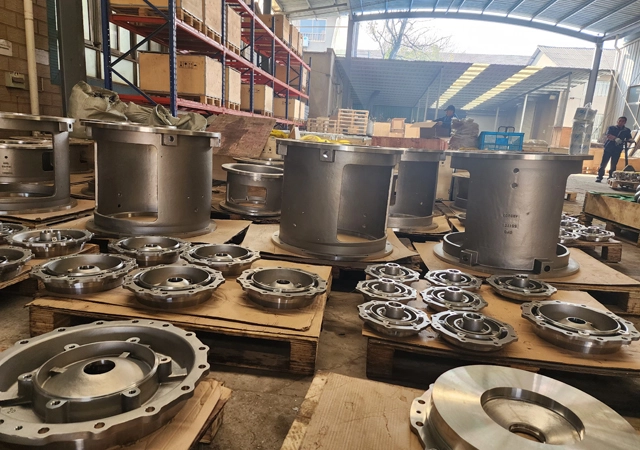
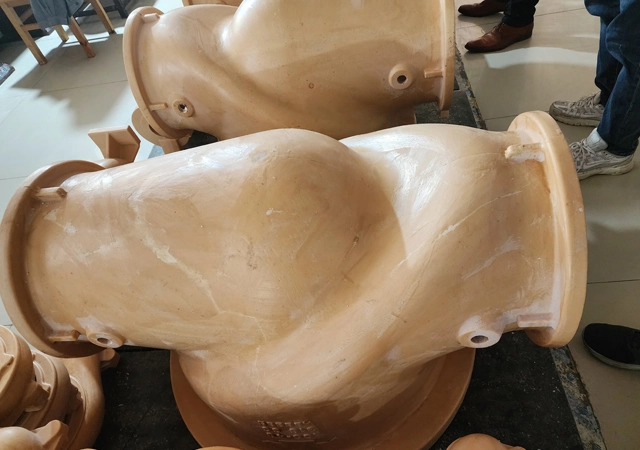
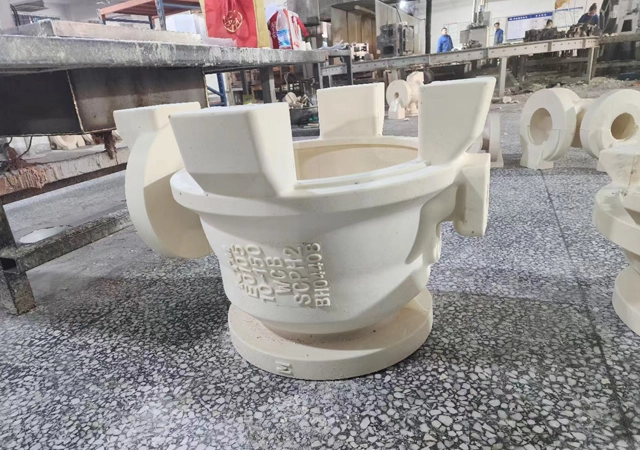
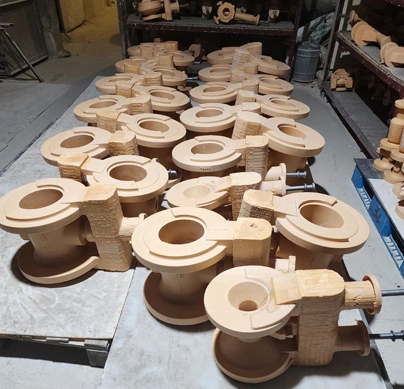
Low-temperature wax casting, also known as low wax casting, is a precision investment casting technique that utilizes specialized waxes with melting points typically between 60°C to 100°C (140°F to 212°F). This method is widely used in industries such as jewelry making, dental prosthetics, aerospace components, and intricate artisanal designs, often provided by a specialized lost wax casting company. The process involves creating a wax model, coating it with a ceramic shell, melting out the wax (dewaxing), and pouring molten metal into the cavity to form the final product. Its adaptability to complex geometries and fine details makes it a preferred choice for high-accuracy manufacturing, supported by professional lost wax casting services.
1. Superior Detail Reproduction
Low-temperature waxes in lost wax precision casting capture intricate designs, sharp edges, and textures with exceptional fidelity, ideal for delicate jewelry or micro-engineering parts.
2. Reduced Thermal Stress
Lower melting temperatures in lost wax casting minimize residual stress on molds and materials, ensuring dimensional stability and reducing post-casting defects.
3. Energy Efficiency
Requires less energy for wax melting and ceramic shell curing compared to high-temperature alternatives, lowering operational costs and carbon footprint in wax mold casting.
4. Material Versatility
Compatible with a range of lost wax casting materials including non-ferrous metals (e.g., gold, silver, bronze) and high-performance alloys (e.g., titanium, cobalt-chrome), supporting diverse industrial applications.
5. Faster Production Cycles
Rapid wax burnout and simplified processing in lost wax investment casting enable quicker turnaround times, enhancing productivity for custom or small-batch orders from a specialized investment casting foundry.
6. Eco-Friendly & Safe
Non-toxic wax formulations and reduced emissions align with sustainable manufacturing practices, ensuring safer working environments through professional lost wax casting services.
7. Cost-Effective Prototyping
Enables affordable iterative design testing for prototypes, reducing R&D expenses while maintaining precision in custom precision lost wax investment casting projects.
Conclusion
Low-temperature wax casting bridges artistry and engineering, offering unmatched precision, efficiency, and versatility. From bespoke luxury items to mission-critical industrial components, it empowers creators to achieve perfection in every cast, especially when partnering with a reliable precision lost wax casting factory like Balasen, which operates as a full-service lost wax casting factory.
1. Technical Parameters
Wax Melting Temperature: 60°C – 100°C (140°F – 212°F).
Ceramic Shell Curing Temperature: 200°C – 400°C (392°F – 752°F).
Metal Pouring Temperature: Varies by alloy (e.g., 900°C–1,200°C for silver; 1,400°C–1,600°C for titanium).
Surface Finish: Achieves Ra 1.6–3.2 µm (63–125 µin) with minimal post-processing.
Tolerance: ±0.1 mm (±0.004 in) for small parts; ±0.3 mm (±0.012 in) for larger components.
Shell Thickness: 5–10 mm (0.2–0.4 in), depending on part size and metal weight.
2. Common Materials
A. Wax Materials
Material Type | Properties | Applications |
Microcrystalline Wax | High flexibility, low shrinkage, reusable. | Jewelry, dental models, thin-walled parts. |
Paraffin Wax | Low cost, easy to carve, moderate strength. | Prototyping, artisanal designs. |
Synthetic Wax Blends | Enhanced thermal stability, high precision. | Aerospace, precision engineering. |
B. Casting Metals & Standards
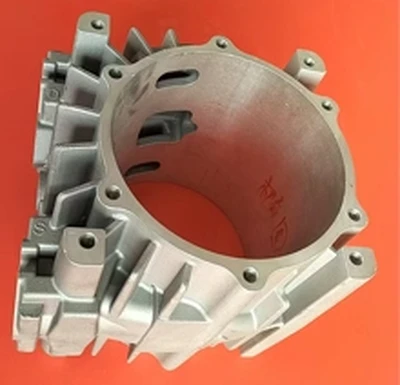
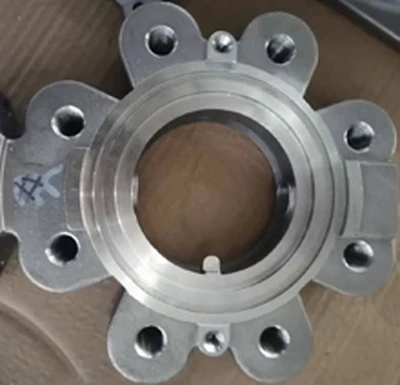
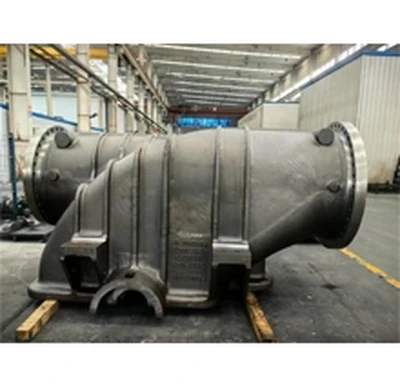
Lost wax casting supports various metal alloys, including stainless steel, titanium, aluminum, and alloy steel lost wax casting applications for industrial components requiring strength and durability.
Metal/Alloy | Key Applications | ASTM Standards | EN/ISO Standards |
Silver (Ag) | Jewelry, decorative items. | ASTM B560 (Sterling) | EN ISO 9202 (Jewelry Silver) |
Gold (Au) | Luxury jewelry, dental crowns. | ASTM B562 (Dental Gold) | EN ISO 1562 (Dental Casting) |
Bronze (CuSn) | Sculptures, marine components. | ASTM B584 (C95400) | EN 1982 (Copper Alloys) |
Stainless Steel | Medical tools, industrial parts. | ASTM A351 (CF-8M) | EN 1.4404 (316L) |
Titanium (Ti-6Al-4V) | Aerospace, implants. | ASTM F136 (Grade 5) | ISO 5832-3 (Implants) |
Aluminum (A356) | Lightweight automotive parts. | ASTM B26 (A356-T6) | EN 1706 (EN AC-42000) |
3. Key Process Standards
Precision lost wax investment casting requires strict process standards to ensure dimensional accuracy and consistent quality.
Investment Casting Standards:
ASTM B963: Covers dimensional tolerances for castings.
EN 1559-1: Specifies technical delivery conditions for castings.
ISO 8062: Defines geometric tolerancing for cast components.
Wax Material Standards:
ASTM D4726: Specifies industrial wax properties.
EN 13245: Candle and modeling wax safety (applicable to casting waxes).
4. Quality Control Metrics
Quality control plays an important role in ensuring the accuracy and reliability of precision lost wax casting components.
Dimensional Inspection: CMM (Coordinate Measuring Machine) or optical scanners.
Defect Testing: X-ray, dye penetrant, or ultrasonic inspection.
Metallurgical Testing: Grain structure analysis (per ASTM E3/E112).
5. Industry-Specific Considerations
Jewelry: Requires compliance with ASTM B563 (Precious Metal Alloys).
Medical/Dental: Must meet ISO 13485 (Quality Management) and ISO 22674 (Dental Alloys).
Aerospace: Adheres to AMS 4991 (Titanium Castings) and EN 2002 (Aerospace Castings).
Please upload files like drawings, material specifications, quantities, and shipping destination.
 +86-18816569813
  EN
EN