Create a sustainable future

Ductile iron, also known as nodular iron or spheroidal graphite iron, has emerged as a key material in the field of engineering, owing to its remarkable mechanical properties. Unlike gray iron, which is known for its brittleness, ductile iron offers improved ductility and toughness, making it suitable for a wide range of industrial applications. This article explores the intrinsic properties of ductile iron, its industrial applications, and the technological advancements in its manufacturing process. Whether you're sourcing materials from a ductile iron foundry or exploring ductile iron material for your next engineering project, this comprehensive guide will provide valuable insights to inform your decision-making.
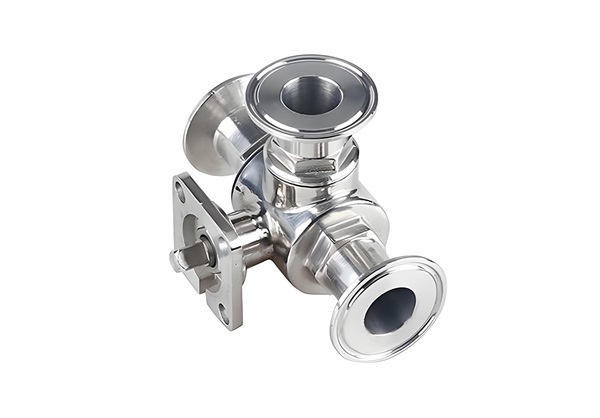
Ductile iron surpasses many traditional materials due to its unique microstructure, which contributes to its superior properties. The main distinguishing factor is the presence of spherical graphite nodules, which impede the formation of cracks, unlike the flaky graphite configuration in gray iron.
Property | Benefits |
High Strength | Supports heavy loads, crucial in automotive castings and mining casting. |
Excellent Ductility | Allows for deformation without fracture, useful in cast iron pump applications. |
Good Wear Resistance | Ideal for components like cast iron water pump and heavy machinery. |
Fatigue Resistance | Increases lifespan of critical components in dynamic applications. |
Ductile iron's versatility is evident from its extensive use across various industries. In automotive engineering, ductile iron is integral in manufacturing components such as cast iron ball, crankshafts, and suspension systems due to its ability to withstand mechanical stresses while maintaining structural integrity.
Automotive Industry: Components such as gray iron casting and cast iron butterfly provide reliable performance under the hood.
Construction: Utilized in cast iron pump systems, ductile iron ensures efficient water flow and structural reliability.
Industrial Machinery: Essential in the creation of precision cnc milling and cnc turning center equipment.
While both ductile and gray iron are widely used, each offers distinct advantages. Gray iron is often used where compressive strength and wear resistance are prioritized, whereas ductile iron is chosen for applications requiring higher tensile strength and shock absorption.
Characteristic | Ductile Iron | Gray Iron |
Tensile Strength | Higher | Lower |
Impact Resistance | Good | Average |
Ductility | Superior | Poor |
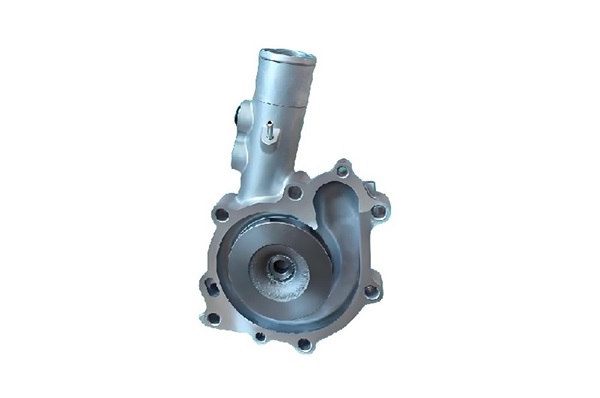
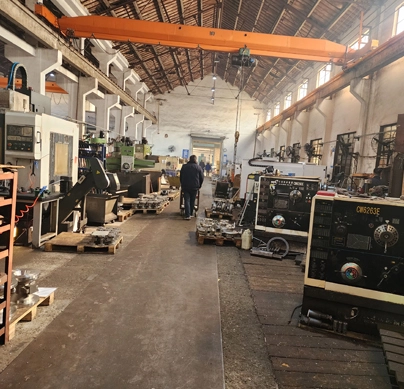
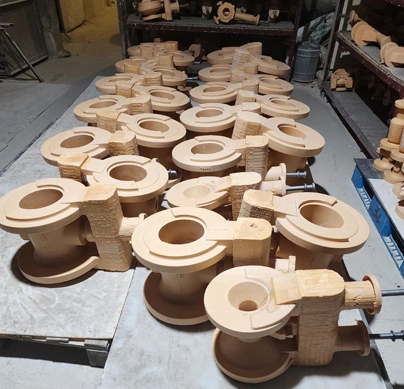
The production of ductile iron involves the transformation of molten iron into a material with nodular graphite structures. This process begins at the ductile iron foundry, where lost wax investment casting or sand casting foundry techniques are applied.
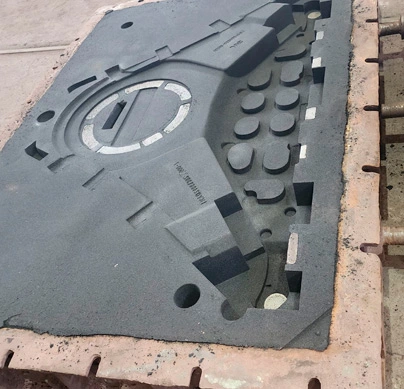
Molding: Using techniques like green sand mold casting.
Melting and Pouring: Often utilizing steel investment casting methods.
Nodulizing: Adding magnesium to create the spherical graphite structure.
Finishing: The use of cnc solutions like cnc turned parts to refine the product.
Ductile iron continues to be a pivotal material in modern engineering, offering a blend of strength, ductility, and durability unmatched by many other materials. As industries evolve, embracing innovations in cnc machining price structures and advances in stainless steel casting methodologies, ductile iron remains poised to meet these challenges, proving its enduring value across various sectors. Whether considering custom hydraulic cylinders or investment casting services, understanding ductile iron's capabilities ensures informed decisions in material selection and application.
 How Power Casting Works in Manufacturing?November 27, 2025Power casting is a transformative manufacturing technique that plays a critical role in producing metal components for various industries. This process leverages the principles of lost wax investment ...view
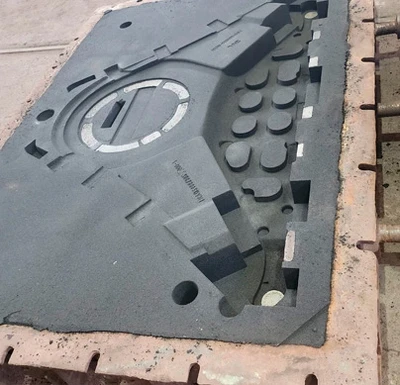 What Is Resin Sand Casting and How Does It Work?June 20, 2025When it comes to manufacturing durable metal components for industries like agriculture, resin sand casting is a go-to method for producing high-quality, intricate parts. Known for its strength and pr...view
 What Are the Disadvantages of Lost Foam Casting?March 27, 2026Lost foam casting is widely recognized for its ability to produce complex shapes with high precision, but like any manufacturing method, it also has limitations. One of the main drawbacks is the relat...view
 Manganese Steel Casting: The Ultimate Wear-Resistant Solution By BalasenAugust 5, 2025In heavy industries where extreme wear and impact resistance are critical, manganese steel casting has become the material of choice for durable components. As a professional manufacturer with extensi...viewGray Iron vs. Ductile Iron Castings: Properties, Machinability, Cost and ApplicationsAugust 24, 2026Gray iron and ductile iron are both iron-carbon casting materials, but they do not behave the same way in service. The key difference is the shape of the graphite inside the metal. Gray iron contains ...viewHow to Choose a Casting Process for Pump and Valve BodiesAugust 24, 2026Selecting a casting process for pump and valve bodies is not simply a choice between the lowest tooling price and the smoothest surface. These components often contain flanges, sealing faces, internal...view
 +86-18816569813
  EN
EN