Create a sustainable future

Gray iron is a widely used material in the metal casting industry, renowned for its excellent castability, machinability, and cost-effectiveness. As an essential part of custom metal casting and gray iron casting, this material finds applications in a myriad of industries including automotive, manufacturing, and construction. Understanding the properties and uses of gray iron, as well as the grey iron casting process, is crucial for both engineers and manufacturers who aim to optimize their casting processes and produce robust and reliable products. This article aims to explore the composition, casting processes, and applications of gray iron, providing comprehensive insights into its role in modern industry, highlighting key grey cast iron application areas alongside widely recognized grey cast iron uses.
The composition of gray iron significantly impacts its mechanical properties and grey iron properties, making it suitable for different applications. Gray iron primarily consists of iron, carbon, and silicon, with carbon content typically ranging from 2.5% to 4.0%. This high carbon content contributes to the graphite flakes found in gray iron, which impart its characteristic gray appearance when fractured. Silicon, typically ranging from 1% to 3%, helps stabilize the carbon in its graphite form, influencing the iron's structure and characteristics, which is fundamental to many grey cast iron application requirements and supports diverse grey cast iron uses in engineering.
Element | Typical Percentage | Role |
Iron | Base | Main component |
Carbon | 2.5% - 4.0% | Graphite flakes formation |
Silicon | 1.0% - 3.0% | Stabilizes graphite, aids fluidity |
Manganese | 0.5% - 1.0% | Pearlite stabilization |
Phosphorus | Up to 1.0% | Improves fluidity but excess reduces toughness |
Sulfur | 0.1% - 0.2% | Forms manganese sulfide, affecting machinability |
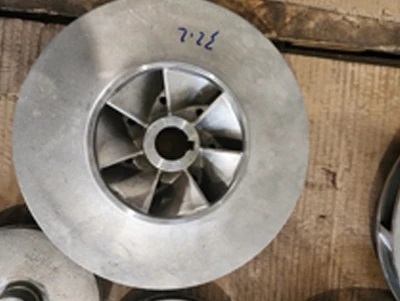
The casting process of gray iron involves several methods, each selected based on the application and required properties. One common method is green sand mold casting, also known as grey iron sand casting in many industrial applications, which utilizes a mixture of sand, clay, water, and other additives to create the mold. This technique benefits from its low-cost setup and recyclability of the sand, making it ideal for mass production and widely adopted in gray iron casting operations. Furan resin sand casting is another highly effective process, offering excellent dimensional accuracy and surface finish for more demanding components.
Alternatively, the shell mold casting process employs a shell-like mold created from a resin-coated sand, offering higher precision and smoother surface finishes compared to green sand molds. This technique is preferred for automotive castings and other high-precision components, further expanding grey cast iron uses in complex manufacturing.
Furthermore, investment casting services are utilized for intricate gray iron parts, using a lost wax casting materials approach to create detailed patterns with superior finish quality. This method, although more expensive, delivers high accuracy and complexity, making it suitable for specialized grey cast iron application scenarios.
Known for its excellent strength and durability, gray iron is a popular choice among manufacturers seeking reliable materials for heavy-duty applications. The presence of graphite flakes in gray iron contributes to its high compressive strength while also providing inherent vibration damping, crucial for machinery components such as cast iron water pumps and cast iron butterfly valves. Copper for casting is occasionally added to enhance strength properties, mainly for high-stress applications, which further broadens grey cast iron uses in demanding environments.
In terms of machining, gray iron excels due to the graphite acting as a lubricant, reducing tool wear during processes such as precision cnc milling and cnc turning. This property makes gray iron casting components cost-effective to produce with consistent tolerances.
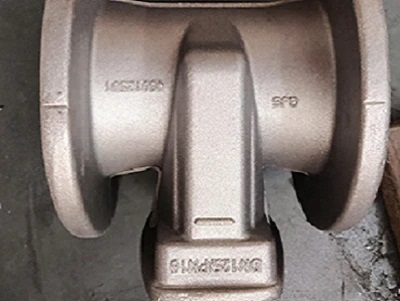
Gray iron's versatility leads to its use in numerous products across industries. In the automotive sector, components like brake rotors, cylinder blocks, and manifolds benefit from gray iron's thermal conductivity and noise damping qualities. Additionally, cast iron pumps and valves for water and gas transmission systems take advantage of gray iron's resistance to wear and corrosion.
Cnc machining price of gray iron components remains competitive due to its machinability, making grey cast iron products an attractive choice for manufacturers of mining casting equipment, where material longevity and performance are paramount.
While gray iron is lauded for its machinability and casting ease, comparing it to ductile iron reveals different strengths. Ductile iron, also known as ductile iron material or nodular cast iron, includes magnesium or cerium, which modifies the graphite structure into spheroids rather than flakes. This change enhances ductile iron's tensile strength and ductility, making it suitable for ductile iron casting and applications requiring higher impact resistance, such as mining castings and automotive suspension components.
In cost comparison, gray iron generally boasts a lower cnc machining cost due to its softer nature, while ductile iron's enhanced properties often justify its higher price point when required. In many cases, gray iron remains the preferred choice when balancing cost and performance is the top priority.
Understanding these differences allows manufacturers and engineers to select the appropriate iron type for their specific application needs, balancing cost, strength, and durability, especially in various grey cast iron uses.
Gray iron remains a cornerstone material in the casting industry due to its excellent castability, machinability, and cost-effectiveness. Whether used in automotive components, pumps, or machinery pieces, its structural properties make it an ideal choice for a wide range of applications. While ductile iron offers distinct advantages where higher impact strength is necessary, gray iron continues to be a reliable and efficient option for many manufacturers. By understanding the composition, casting methods, and product applications of gray iron, industry professionals can enhance their manufacturing processes and produce durable, high-performance products.
For those seeking to deepen their expertise in metal casting or explore innovative custom metal casting solutions, consulting with experienced foundries or cnc machining services can unveil further opportunities for optimizing your manufacturing strategies and achieving superior results in product development.
 Is Lost Foam Casting Better Than Sand Casting for Agricultural Machinery?June 20, 2025When manufacturing components for agricultural machinery casting, choosing the right casting method is critical for balancing cost, quality, and performance. Lost foam casting and custom sand castings...view
 Precision Manufacturing for High-Strength ComponentsAugust 5, 2025In the world of industrial manufacturing, precision and durability are essential for critical components. Close die forging stands out as a premier manufacturing process for creating high-performance ...view
 What Are the Differences Between Resin Sand Casting and Green Sand Casting?June 20, 2025Choosing the right casting method is crucial for producing high-quality metal components, especially for industries like agriculture. Resin sand casting and green sand casting are two widely used tech...view
 How to Choose a Metal Casting Foundry: RFQ and Supplier Evaluation ChecklistAugust 24, 2026Choosing a metal casting foundry is a technical sourcing decision, not simply a comparison of quoted unit prices. A supplier may offer the requested alloy yet lack experience with the part's wall ...view
 Manufacturing Process of Ductile IronNovember 27, 2025Ductile iron, known for its excellent strength and ductility, is a variant of graphite cast iron typically used in engineering applications requiring a high tensile strength. The process of manufactur...viewWhat Materials Can Be Used in Lost Foam Casting?March 27, 2026Lost foam casting is valued in modern manufacturing for its flexibility in handling a wide range of ferrous and non-ferrous alloys. This versatility allows engineers to select materials based on mecha...view
 +86-18816569813
  EN
EN