Create a sustainable future


Balasen supplies custom copper alloy castings, including selected brass and bronze components, according to customer drawings and material specifications. Casting process, alloy grade, machining and inspection requirements are evaluated according to component size, geometry, operating conditions and required mechanical properties.
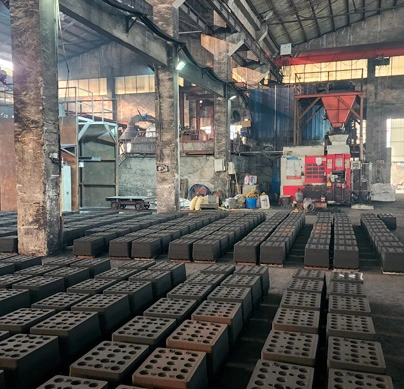
For furan resin sand casting, Balasen’s published copper casting capacity covers individual component weights from 50 to 5,000 kg. The published lead time for copper casting blanks is generally 30 to 45 days. Final feasibility, alloy composition, casting weight and delivery schedule are confirmed after drawing and specification review.
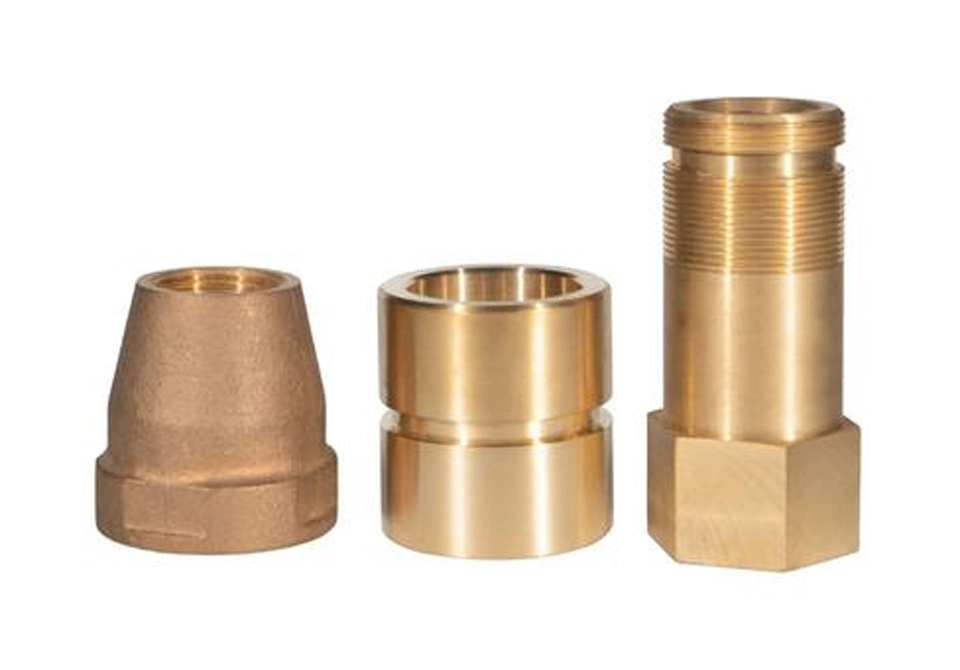
The performance of a copper casting depends on the selected alloy rather than copper content alone. Brass, tin bronze, aluminum bronze, nickel-aluminum bronze and copper-nickel alloys provide different combinations of strength, wear resistance, corrosion resistance, machinability and conductivity.
Balasen evaluates the alloy grade according to the customer’s drawing, mechanical load, operating temperature, service medium and required inspection criteria. Pure copper projects require separate technical review because their melting control, casting behavior and conductivity requirements differ from those of conventional brass and bronze castings.
Selected copper alloys may be considered for marine, pump and valve components where corrosion resistance, mechanical strength, wear performance or resistance to fluid erosion is required. Aluminum bronze, nickel-aluminum bronze and copper-nickel alloys are commonly evaluated for demanding fluid-service environments.
Material suitability depends on the service medium, chloride concentration, operating temperature, flow conditions, mechanical load and compatibility with mating materials. The exact alloy, casting process, heat treatment, machining and inspection requirements must therefore be confirmed for each project.
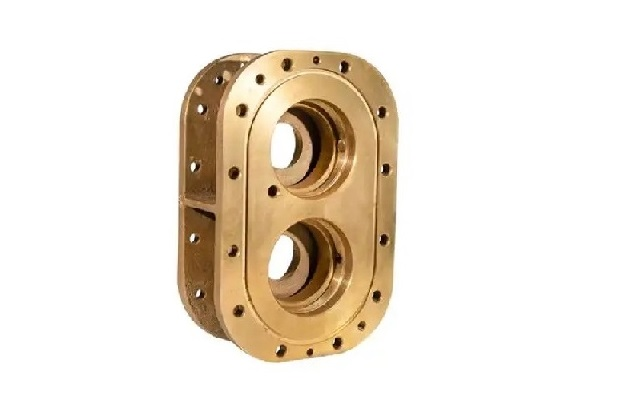
Balasen supplies custom copper alloy castings, including selected brass and bronze components, according to customer drawings and material specifications. Casting process, alloy grade, machining and inspection requirements are evaluated according to component size, geometry, operating conditions and required mechanical properties.
The published ranges below apply only to the corresponding Balasen manufacturing process. Final feasibility, alloy composition, casting weight, tolerances, inspection scope and delivery schedule are confirmed after drawing and specification review.
| Capability | Balasen’s Available Options | Project Confirmation |
|---|---|---|
| Production Type | Custom copper alloy castings manufactured according to confirmed customer drawings, material specifications and purchase requirements. | Drawing, alloy grade, quantity, operating conditions and acceptance criteria. |
| Primary Casting Process | Furan resin sand casting is available for medium and large copper alloy components. | Component geometry, wall thickness, alloy type, casting weight and quantity. |
| Furan Copper Casting Weight | Published copper casting capacity from 50 to 5,000 kg per component. | Maximum feasible weight depends on geometry, alloy, mold design and handling requirements. |
| Published Blank Lead Time | Published lead time for furan sand copper casting blanks is generally 30 to 45 days. | Final delivery depends on tooling, quantity, machining, inspection and approval requirements. |
| Alternative Processes | Green sand casting and lost foam casting may be evaluated when appropriate. | Actual copper-alloy experience, size range and process suitability must be confirmed. |
| Machining | Custom machining includes turning, milling, drilling, tapping and boring. | Datum, machining allowance, tolerance, surface finish and critical dimensions. |
| Inspection | Available verification includes alloy composition, mechanical properties and dimensional inspection. Published measuring equipment includes FARO measuring arms. | Test method, sampling plan, acceptance values and report requirements. |
Most industrial copper castings are produced from copper-base alloys rather than pure copper. The appropriate alloy should be selected according to corrosion conditions, mechanical load, friction, wear, conductivity and the customer’s material specification.
Copper-zinc alloy castings can be evaluated for components requiring a balance of corrosion resistance, machinability and mechanical performance. Exact composition, lead content and regulatory requirements must be confirmed from the specified grade.
Tin bronze and selected leaded bronze alloys may be reviewed for bearings, bushings, wear components and other applications involving sliding contact. Material selection must consider strength, wear conditions, lubrication and applicable restrictions on lead-containing alloys.
Aluminum bronze castings can be evaluated for projects requiring increased strength, wear resistance or corrosion performance. The selected UNS grade, heat-treatment condition and mechanical requirements must be confirmed for each order.
Nickel-aluminum bronze and copper-nickel alloys may be considered for marine, pump, valve and other corrosive-service projects. Actual alloy availability, melting control, heat treatment and inspection requirements must be verified before quotation.
Pure copper and customer-specific copper compositions require separate technical review because conductivity requirements, oxidation control, casting behavior and acceptance criteria may differ significantly from conventional brass or bronze castings.
Applicable standards should be selected according to the alloy, casting process and component application. Listing a standard does not mean that every Balasen copper casting automatically complies with every grade or supplementary requirement within that standard.
| Standard | Standard Scope | Project Confirmation |
|---|---|---|
| ASTM B584 | Copper alloy sand castings for general applications. | UNS grade, chemical composition, mechanical properties and current standard revision. |
| ASTM B148 | Aluminum-bronze sand castings. | Required UNS alloy, heat treatment, mechanical properties and inspection. |
| ASTM B763/B763M | Copper alloy sand castings for valve applications. | Valve application, specified alloy, test bars, hardness and acceptance criteria. |
| ASTM B61 and ASTM B62 | Steam or valve bronze castings and composition bronze castings. | Grade availability, service medium, pressure-related requirements and material restrictions. |
| ASTM B369/B369M | Copper-nickel alloy castings. | Alloy availability, corrosion environment, mechanical properties and inspection requirements. |
| ASTM B824 | General requirements supporting copper alloy casting specifications; it is not a standalone alloy grade. | Applicable product specification and customer purchase requirements. |
Casting process selection is based on component size, alloy behavior, geometry, wall thickness, production quantity and required surface or dimensional condition. One process should not be presented as suitable for every copper alloy casting.
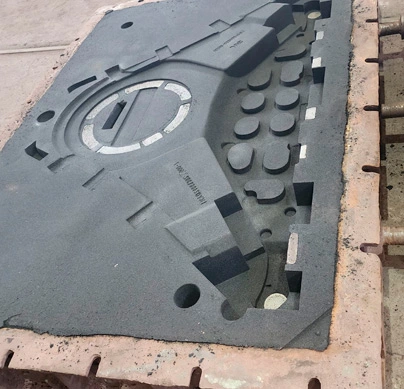
Furan resin sand casting is Balasen’s published process for medium and large copper alloy components weighing from 50 to 5,000 kg. Final process design depends on alloy type, wall thickness, feeding requirements and component geometry.
Green sand casting may be evaluated for suitable copper alloy components and production quantities. Actual alloy compatibility, weight range, tooling requirements and achievable casting condition must be confirmed before quotation.
Lost foam casting can be considered when the component geometry and copper alloy are suitable for the process. Process feasibility, minimum wall thickness, dimensional expectations and inspection requirements must be reviewed from the drawing.
The following component categories can be evaluated according to customer drawings. They should only be described as completed Balasen projects after production records or original factory photographs have been verified.
| Part Category | Technical Considerations | Required Review |
|---|---|---|
| Pump and Valve Components | Valve bodies, pump components and flow-control parts may require corrosion resistance, controlled internal passages, machining and project-specific inspection. | Service medium, material standard, pressure-related requirements and finished dimensions. |
| Bushings and Bearings | Sliding contact, lubrication, wear resistance, bore dimensions, machining allowance and material compatibility. | Load, speed, lubrication condition, mating material and required alloy. |
| Gears and Worm Wheels | Tooth machining allowance, wear conditions, strength, casting soundness and final dimensional control. | Torque, speed, tooth geometry, mating material and heat-treatment requirements. |
| Marine and Corrosion-Resistant Parts | Alloy selection, seawater or chemical exposure, corrosion allowance, surface condition and inspection requirements. | Fluid composition, temperature, flow conditions, material grade and design life. |
| Custom Industrial Components | Non-standard housings, wear components, support parts and other copper alloy castings produced according to customer drawings. | Drawing, alloy, annual quantity, tolerance, inspection and application details. |
Machining and inspection requirements are established according to the drawing, alloy, casting condition and intended application. Copper alloys can differ significantly in machinability, hardness and dimensional behavior, so final processing requirements must be reviewed for each component.
| Control Item | Available Options | Required Confirmation |
|---|---|---|
| Machining Operations | Turning, milling, drilling, tapping and boring. | Machining datum, allowance, tolerance, thread and surface-finish requirements. |
| Published Machining Range | Processed-part weight from 0.5 to 5,000 kg and processing size from 3 to 1,600 mm. | Actual machinability depends on geometry, alloy, hardness, clamping and machine access. |
| Material Verification | Alloy composition testing can be performed against the confirmed material specification. | UNS grade, chemical limits, analysis method and report requirements. |
| Mechanical Properties | Mechanical property testing can be arranged according to the selected alloy and project requirements. | Test bar, tensile, yield, elongation, hardness or other specified values. |
| Dimensional Inspection | Critical-dimension or full-dimensional inspection using suitable measuring equipment, including FARO measuring arms where appropriate. | Approved drawing, datum system, tolerance, sampling plan and report format. |
To evaluate material compatibility, casting process, tooling, machining and inspection requirements, please provide the following information with your request:
Copper casting is a broad category. Brass is primarily a copper-zinc alloy, while bronze includes copper alloys commonly containing tin, aluminum, nickel or other elements. The appropriate material depends on the required strength, wear, corrosion, conductivity and operating conditions.
Balasen’s published furan resin sand casting capacity for copper components ranges from 50 to 5,000 kg per casting. Final feasibility depends on alloy, geometry, wall thickness and mold design.
ASTM B584 requirements can be evaluated when specified by the customer. The exact UNS alloy, standard revision, chemical composition, mechanical properties and supplementary requirements must be confirmed before production.
Pure copper projects require separate technical review. Customers should provide the required copper grade, conductivity, oxygen content, mechanical properties and inspection criteria so that production feasibility can be evaluated.
Furan resin sand casting is Balasen’s published process for copper components. Green sand and lost foam casting may also be evaluated, but process suitability and actual alloy experience must be confirmed from the drawing and specification.
Available machining operations include turning, milling, drilling, tapping and boring. Final machining capability depends on the alloy, component geometry, hardness, datum, tolerances and surface-finish requirements.
Balasen’s published lead time for furan sand copper casting blanks is generally 30 to 45 days. Tooling, machining, inspection, documentation and order quantity may change the final delivery schedule.
Please provide a drawing or 3D model, copper alloy grade, component weight, quantity, operating conditions, machining tolerances, inspection requirements, documentation requirements and delivery destination.
Send your drawing, copper alloy specification, quantity, machining requirements and inspection criteria. Balasen will evaluate material compatibility, casting process and production feasibility for your project.
Upload Your DrawingPlease upload files like drawings, material specifications, quantities, and shipping destination.
 +86-18816569813
  EN
EN