Create a sustainable future

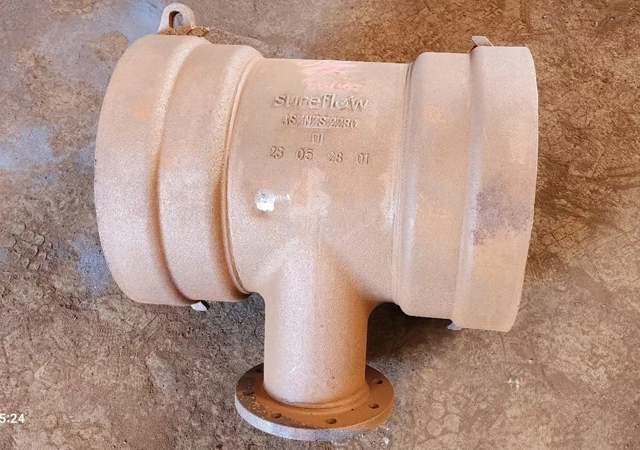
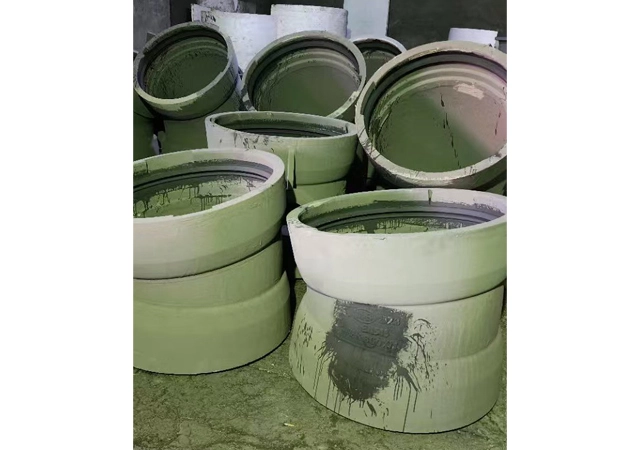
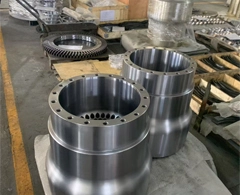
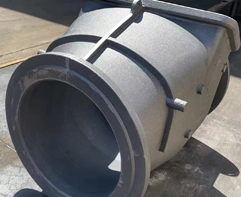
The foam pattern, typically made from polystyrene, is coated with a refractory material and then buried in sand. When molten metal is poured into the mold, the foam vaporizes, leaving behind a cavity that is filled by the metal, thus forming the final cast part. As one of the leading lost foam casting suppliers, we ensure precise pattern replication and high-quality surface finishes for complex parts.
It is similar to investment casting, except foam is used for the pattern instead of wax. This process takes advantage of the low boiling point of polymer foams to simplify the investment casting process by removing the need to melt the wax out of the mold. Many manufacturers turn to lost foam casting China solutions for their cost-effectiveness, scalability, and ability to produce intricate geometries with minimal machining.
EPC process, also known as full mold casting, is a new casting method that uses foamed plastics (such as EPS, STMMA or EPMMA) to make molds, and forms castings by pouring liquid metal. Lost foam casting is widely used in the production of various complex castings such as automotive parts, engineering machinery components, pipelines and valves, agricultural machinery components, etc.
Lost foam casting has the following advantages:
High Precision: Foam plastic models ensure accurate dimensions and smooth surfaces. Without parting lines and cores, it effectively reduces dimensional deviations and surface flaws, guaranteeing high-quality castings.
Design Flexibility: Multiple parts can be integrated into one model for casting, optimizing part structures and reducing assembly work.
High Efficiency: Eliminating complex procedures like mold removal and core setting shortens the production cycle, making it suitable for mass production.
Cost-effective: Reducing tooling use and simplifying processes cut down on equipment and labor costs.
Wide Applicability: It can produce various - material castings with complex shapes, especially those challenging for traditional methods.
Lost foam casting reduces material waste and boosts efficiency for several reasons. Firstly, it uses foam plastic patterns that vaporize completely during pouring. There's no need for large machining allowances to compensate for defects, thus saving metal materials. Also, without the use of sand cores, the waste of such auxiliary materials is avoided. For manufacturers seeking optimized solutions, a custom metal casting company can tailor the process to maximize material savings and casting precision.
Secondly, the process streamlines production. It skips complex steps like pattern removal, core setting, and mold closing, cutting down time consumption and human errors. Moreover, multiple patterns can be placed in one sandbox for casting, and the reusable molds cut down on mold-making time and cost, enhancing overall efficiency. Compared with traditional custom sand castings, lost foam casting allows for more flexibility and reduced labor, making it a preferred choice for high-volume, intricate components.
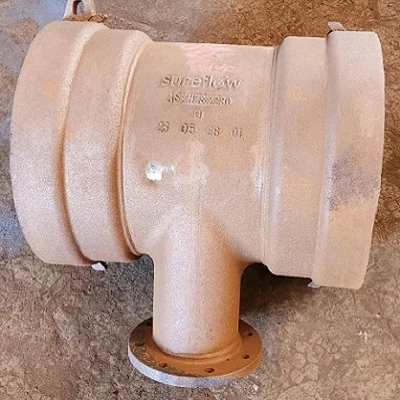
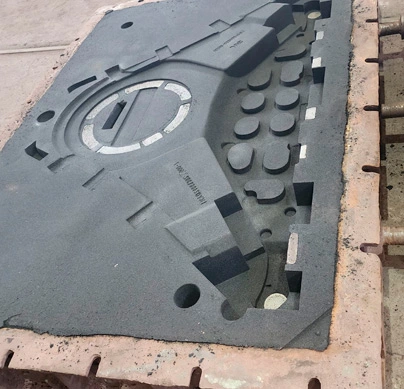
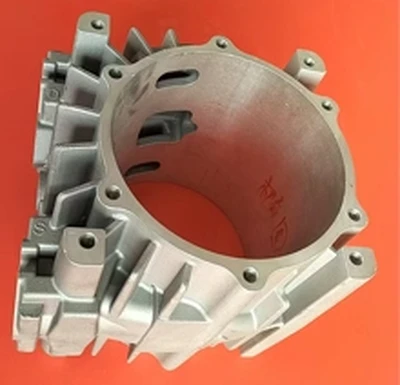
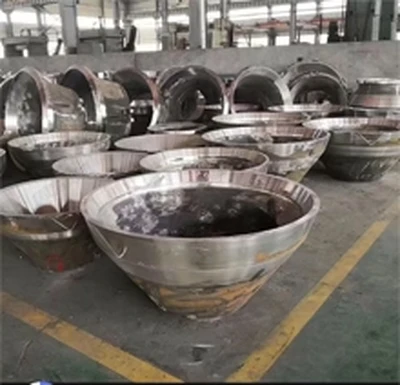
Lost Foam Casting Body
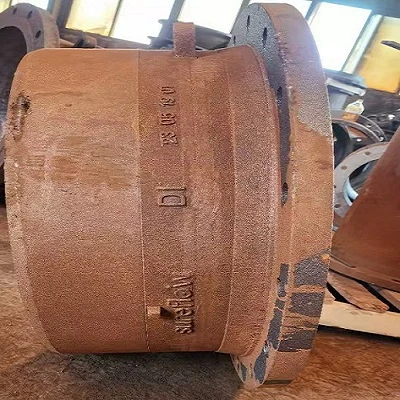
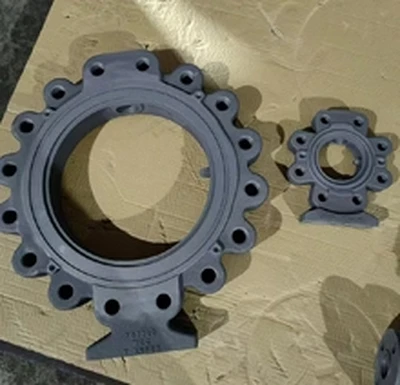
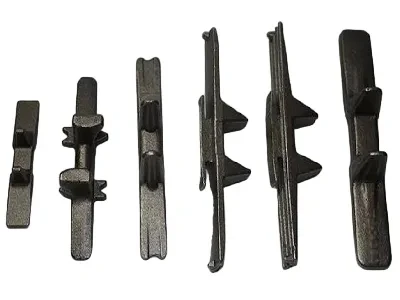
Casted in Wax
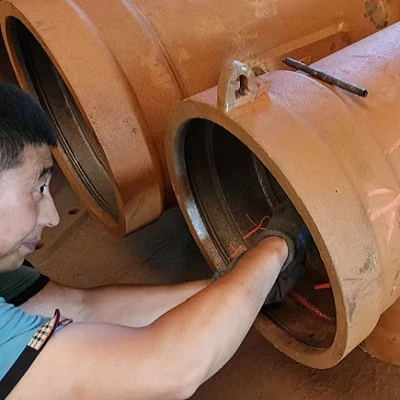
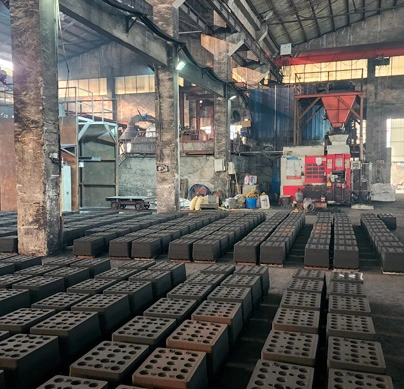
Lost Foam Casting Factory
The primary foam used in lost foam casting is expanded polystyrene (EPS), valued for its ease of shaping, dimensional stability, and clean vaporization during pouring. Other lost foam casting foam types include STMMA or EPMMA for enhanced performance in detailed patterns, while polyurethane foams should be avoided due to toxic fumes. Ideal densities range from 1-1.5 lbs. per cubic foot for optimal results. Lost foam casting suppliers like Balasen provide guidance on sourcing these lost foam casting supplies to ensure compatibility with metals like aluminum in lost foam aluminum casting.
Lost foam casting can be more expensive than traditional methods like sand casting due to higher costs for foam patterns and specialized tooling, often ranging from $5–$20 per kg depending on complexity and volume. However, it becomes cost-effective for high-volume production, offering 15–30% savings in machining and material waste, especially for large or intricate parts in alloy steel. As lost foam casting manufacturers in China, Balasen minimizes expenses through optimized processes, making it a moderate-cost option compared to die casting.
Lost wax casting (also known as investment casting) uses wax patterns coated in ceramic shells for high-precision, fine-detailed parts with superior surface finishes, while lost foam casting employs foam patterns embedded in dry sand for larger, complex shapes at lower tooling costs but potentially rougher finishes. Lost foam casting is more efficient for high-volume runs and reduces waste, ideal for lost foam aluminum casting, whereas lost wax excels in versatility for smaller components. Balasen, as a lost foam casting foundry, specializes in the foam method for applications like agricultural machinery, offering cost advantages over wax-based processes.
Lost foam casting has positive environmental impacts, including the use of recyclable dry sand and minimal binders, reducing waste by up to 50% compared to traditional methods. The process minimizes emissions from foam vaporization when using eco-friendly lost foam casting foam types like STMMA, and it's energy-efficient for lost foam aluminum casting. As sustainable lost foam casting suppliers emphasize, it aligns with green manufacturing standards, though proper ventilation is needed to manage any residual gases.
When selecting a lost foam casting supplier, prioritize ISO-certified lost foam casting manufacturers with proven expertise in your industry, such as agricultural or automotive. Evaluate their lost foam casting factory capabilities for quality control, material versatility (including lost foam casting supplies for aluminum or steel), lead times, and cost structures. Balasen, as a reliable lost foam casting foundry in China, offers custom consultations, fast prototyping, and global shipping to ensure seamless partnerships.
In many cases, yes. Lost foam casting eliminates parting lines and sand cores, allowing more complex designs, smoother surfaces, and fewer post-processing steps. It is especially effective for agricultural machinery and large structural components.
In-depth comparison for agricultural machinery: https://www.balasen.com/is-lost-foam-casting-better-than-sand-casting-for-agricultural-machinery.html
Lost foam casting is a metal casting process that uses an expendable foam pattern embedded in sand. When molten metal is poured, the foam vaporizes and is replaced by metal, producing complex, near-net-shape castings with high dimensional accuracy and minimal machining. Full explanation of the process: lost foam casting process
Please upload files like drawings, material specifications, quantities, and shipping destination.
 +86-18816569813
  EN
EN